

For Erika Kubick, cheese is as close as you can get to magic.
In Kubick’s universe, cheese is a ritual. A pleasure. It’s edible history, shaped by powerful matriarchs and defiant witches.
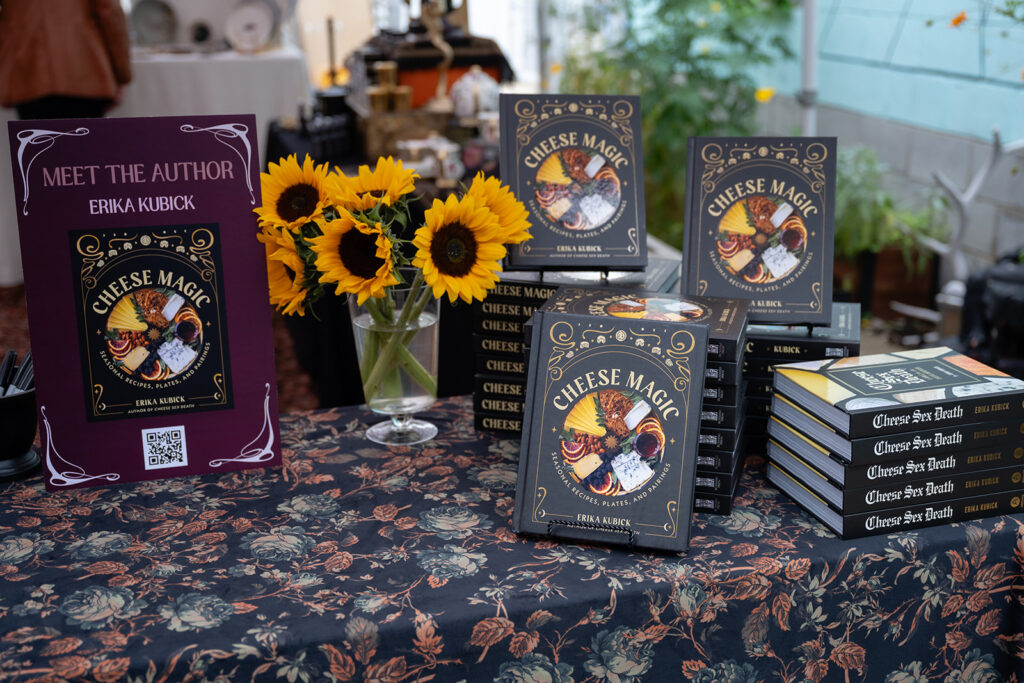
The Chicago-based author, educator, and formerly self-described “cheese priestess,” has spent the better part of the last decade turning artisanal dairy into something less intimidating and more fun and accessible. Through her books Cheese Sex Death: Cheese gospel for hedonists, pairing wedges with drinks and saucy metaphors and Cheese Magic, Kubick has cultivated an audience hungry not only for better cheese board recipes, but for something bigger–an understanding of what food can mean: community, intention, and sometimes magic.
Kubick’s journey to cheese began through two of what she jokingly calls “come to Cheesus” moments.
The first happened when she was around thirteen years old, when her mother brought home SarVecchio cheese from a local farmers market. Kubick had declared herself a vegetarian from an early age–a choice her parents were extremely supportive of. And cheese is, of course, a pillar to vegetarians. The first time she tried SarVecchio however, was a revelation.
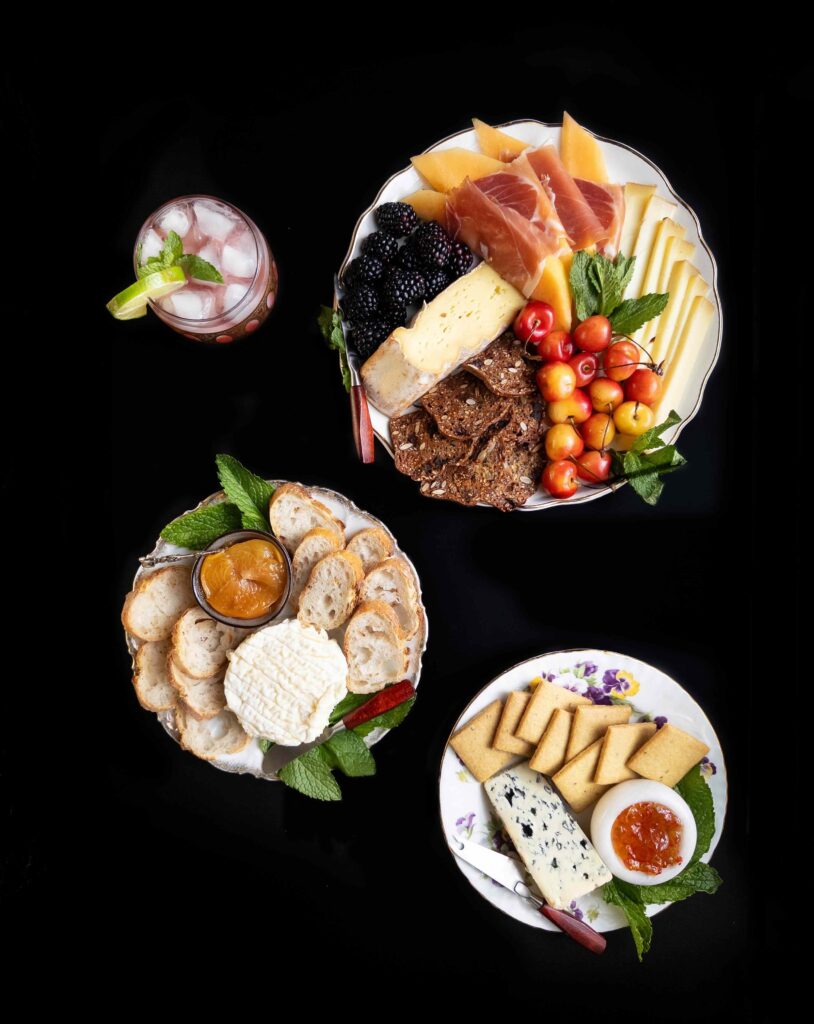
“It was so incredible. It crumbled in your hand. It tasted so tangy, almost fruity. It had these crunchy crystals in it and it just felt like fireworks in my mouth,” she says. “It completely blew my mind that food could be this good and that cheese, specifically, could be this good. I really fell in love with cheese there.”
The second “come to Cheesus” moment came years later. Originally from Boston but raised in the Chicago suburbs, Kubick graduated college with degrees in film studies and English literature before landing an internship at Plate magazine, a Chicago-based publication for professionals in the food industry. At first, the work felt adjacent to her interests: editing video interviews with chefs and assisting with editorial projects. Then came an unexpected assignment: researching Spanish cheeses.
“I really fell down the rabbit hole,” Kubick says. “I was so blown away by how many cheeses there are, but also the cultural and the economic significance of them.”
What fascinated her was the way entire communities could be built around cheesemaking, and how villages could be sustained by one specific style of cheese. She realized not only how powerful the history of cheese was, but how political it could be as well.
“That’s the moment that I felt like ‘Oh, this is something I could really devote myself to,’” she says.
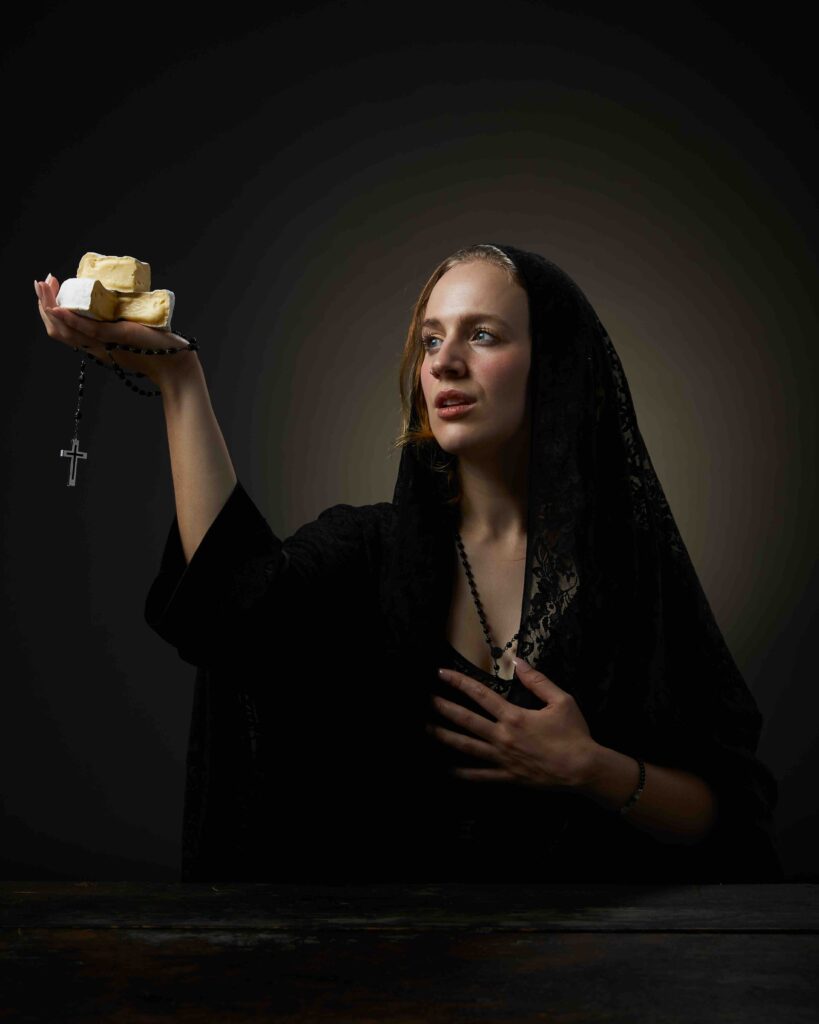
After many tries, she landed a stage (a trial shift) at a local cheese shop, Pastoral Artisan Cheese, Bread & Wine, which sadly closed in 2019. “It was an incredible boot camp. There were so many people that worked there who taught me the foundation of my cheese knowledge,” she says warmly.
Kubick quickly learned that cheesemongering looks very different in the United States than it does in Europe. Overseas, she explains, the profession is often treated as a respected craft–well-paid, highly skilled, and viewed as a long-term career. In the U.S., by contrast, cheesemongering tends to be lumped in with food service work: underpaid, less glamorous, and rarely seen as a viable profession.
But there’s an unexpected upside to that lack of prestige. The accessibility of the industry, Kubick says, attracts an eclectic crowd–creatives who might not otherwise find a place in more traditional career paths. “So many artists become cheesemongers,” Kubick says. “Cheese attracts generally queer people, very alt. people, very artsy people.”
Shortly after becoming a cheesemonger, Kubick launched what would eventually become her signature project: Cheese Sex Death, a widely popular blog designed to bridge the gap between consumers and the often intimidating world of artisanal cheese. It’s now a popular Substack as well: cheesesexdeath.substack.com
“I feel like a lot of the time, when people come into a cheese shop, they would feel so intimidated by the names, the smells–they would be overwhelmed,” she says. “When it comes to cheese, there’s a lot to learn, but I wanted to make it really fun.”
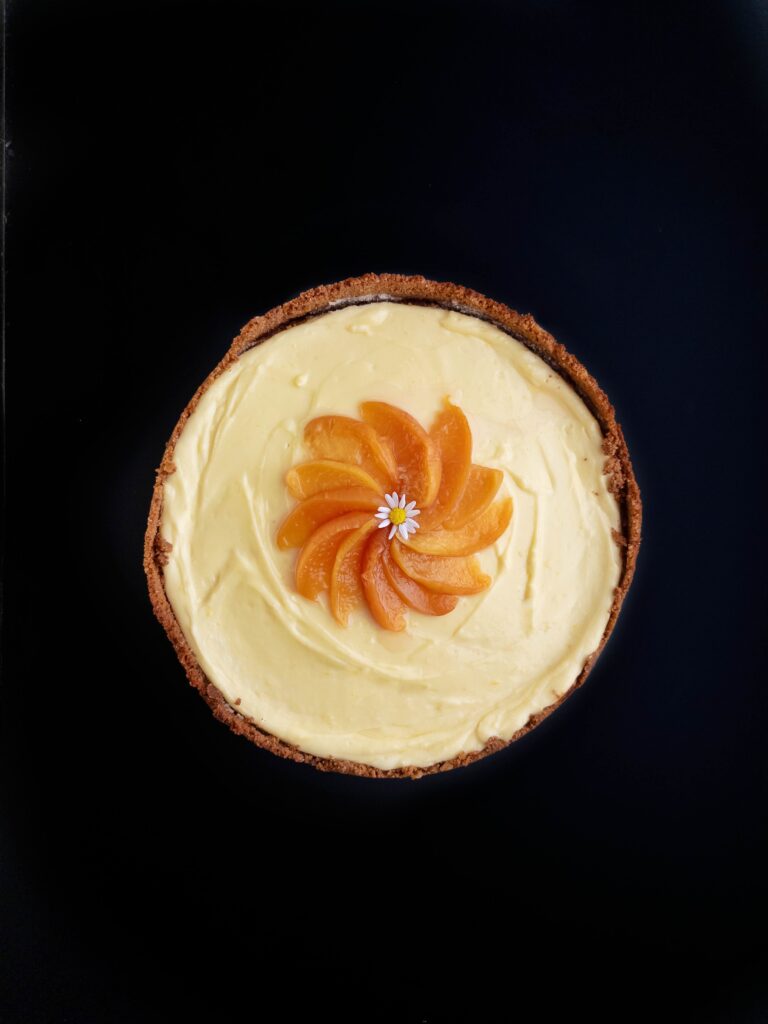
The blog expanded into classes, events, and social content. “I was calling myself a ‘cheese preacher’ for a long time because I was hosting an event series called Cheese Church,” Kubick says. “We’d go through all the ten commandments of cheese [which includes how to buy, cut and pair cheese correctly] structured like a church service.”
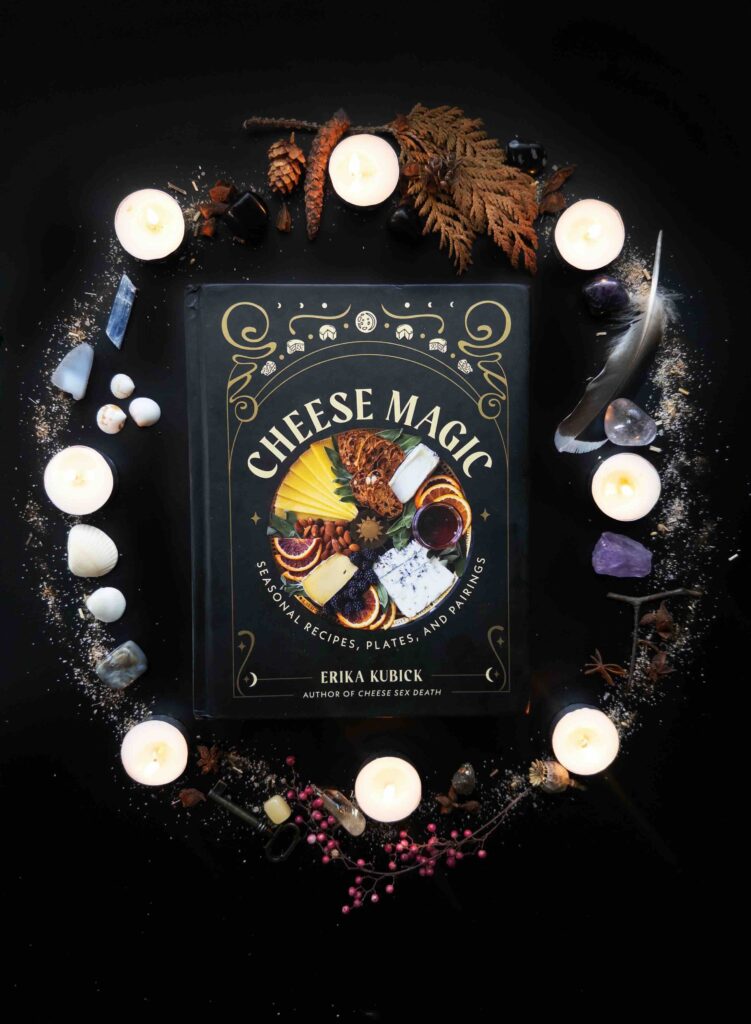
Her second book, Cheese Magic, expands that philosophy even further drawing from Kubrick’s interest in rituals, astrology, and witchcraft. Part cookbook, part ritual guide, the book features recipes and cheese boards inspired by moon phases, solstices, and seasonal shifts. Throughout the book, Kubick playfully refers to cheese with she/her pronouns.
“That’s a nod to the incredible history of women in cheesemaking. Women have been written out of the timeline of the cheese,” Kubick says.
Though women have historically been central to cheesemaking, their contributions have often been overlooked or written out of the industry’s history–a reality Kubick frequently references in her work. This includes women in the American Cheese Revolution of the 1970s and 80s (when the country shifted from common processed cheese to artisanal cheese), enslaved Black women who worked as dairymaids and cheesemakers on plantations, and so called “witches” throughout history.
“Dairy maids were accused of witchcraft. If they made really good cheese or if their neighbor’s cheese dried up, they were accused of being witches,” Kubick says. “Everyone just loved to have a different excuse to call a woman a witch.”
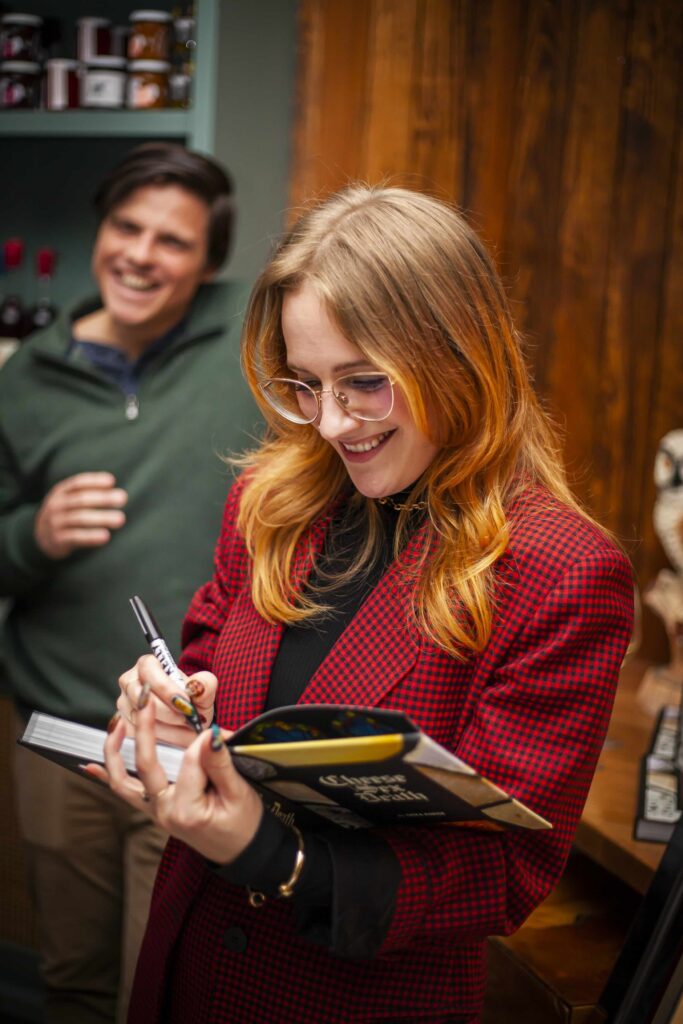
Kubick, who currently practices witchcraft and is enrolled in astrology classes, grew up in what she describes as a “Halloween family.” Friday nights were reserved for re-watches of Hocus Pocus, and her cat growing up was named Salem. In keeping tradition, her current cat is named Sabrina Spellman.
“I keep falling deeper and deeper into witchcraft, but I’m still focused on food rituals. That’s always going to be a lot of what I do,” she says. “Recipes and spells have a lot in common.”
Beyond rituals and witchcraft, Kubick continues to include politics into her work. After all, the same curiosity that brought her “come to Cheesus” moment, made it impossible for her to see food as separate from politics.
In the months following October 7, 2023, she made the decision to speak more openly online, incorporating Akawi, a Palestinian cheese, into one of her Cheese Church videos. The response, she admits, was complicated. Her followers urged her to “just talk about cheese” and leave politics out of it. But to her, the distinction has never made much sense.
“Cheese is political. Food in general is political,” she says plainly. “Right now with what’s happening with immigration, it’s impacting our industry so much because there’s so much migrant labor labor.”
Cheesemaking is a grueling, expensive, deeply physical labor. The animals are costly to care for, the process painstaking and often thankless, she says. “It’s backbreaking work. It’s absolutely grueling.”
And when something is that hard to make, she says, “it deserves a lot of reverence when you’re eating it.” But Kubick resists the idea that cheese should feel elite.
“If you’re too snobby about it, you’re kind of taking away from the magic of it,” she says.
“One of the cheese mongers I used to work with would tell me all the time: Cheese is for the people. And I agree. Everyone should have access to it.”

