


Red lipstick isn’t just a holiday accessory — it’s feminist armor. Every December, tubes of scarlet, crimson, and cherry-red migrate from vanities into handbags. The shade spikes in popularity around the holidays and again around Valentine’s Day, a bright slash of color against the monochrome of winter. But beneath the sparkle of party season, red lips carry a history: of rebellion, resilience, and unapologetic self-display.
For more than a century, women have reached for red in moments of protest and visibility. To swipe it across the lips has never been a neutral act. It has always carried weight — a political, defiant refusal to fade into the background.
Red as a Weapon
The history of red lipstick is inseparable from the history of women claiming space. In the early 20th century, suffragettes adopted red lips as part of their uniform. Elizabeth Arden famously handed out tubes of bright red to women marching down Fifth Avenue in 1912. It wasn’t just decoration. It was declaration. Painted mouths shouted before the women themselves even spoke.
Later, during World War II, red lipstick became patriotic. While men went to battle, women entered factories, offices, and hospitals. The U.S. government encouraged women to wear bold lipstick as a morale booster, even branding shades with names like “Victory Red.” It was meant to show that femininity and national strength could coexist. Lipstick became part of the war effort, proof that resilience could be glamorous.
In the decades that followed, whether in the chic minimalism of the 1960s or the riot grrrl punk scene of the 1990s, red lips retained their edge. They signal visibility, audacity, a refusal to be overlooked.
Why Winter?
Why does red lipstick shine most brightly in winter? The answer is both practical and poetic.
Practically: winter washes color away. Skin turns pale, skies turn gray, clothes grow darker and heavier. Red lipstick slices through that monotony with a flash of heat. It animates the face when the sun has retreated.
Poetically: winter is a season of ritual. From holiday parties to Valentine’s dates, it’s a time when women adorn themselves with intention. Red lipstick is part of that ritual — a rite of brightness in the darkness. If summer beauty is about effortless glow, winter beauty is about deliberate drama. The lipstick is the spark, the reminder that even in the coldest months, desire and audacity burn.
Socially, it’s no accident that lipstick sales rise in times of economic downturn or collective stress. Psychologists call it the “lipstick effect”: small luxuries become acts of resilience. A $20 tube can transform a mood, armor a body, and make a political statement all at once. In winter, when scarcity is preached (detoxes, diets, resolutions), red lipstick becomes the opposite: lushness, excess, refusal.
Feminist Armor
To call red lipstick “armor” isn’t a metaphor women invented lightly. Generations have known the sharpened scrutiny that greets a bold mouth: it’s too much, too loud, too sexual, too aggressive. But “too much” is the point.
In the 1970s, second-wave feminists debated lipstick, with some rejecting it as patriarchal performance. Thankfully, others reclaimed it — as a tool of play, as a way to take up space in the male gaze and flip it. By the 1990s, riot grrrls were pairing smeared red lipstick with combat boots, refusing the idea that glamour couldn’t be radical.
Winter intensifies this edge. A swipe of red against January gray is like setting off fireworks in a quiet sky. It’s not about subtlety. It’s about insistence.
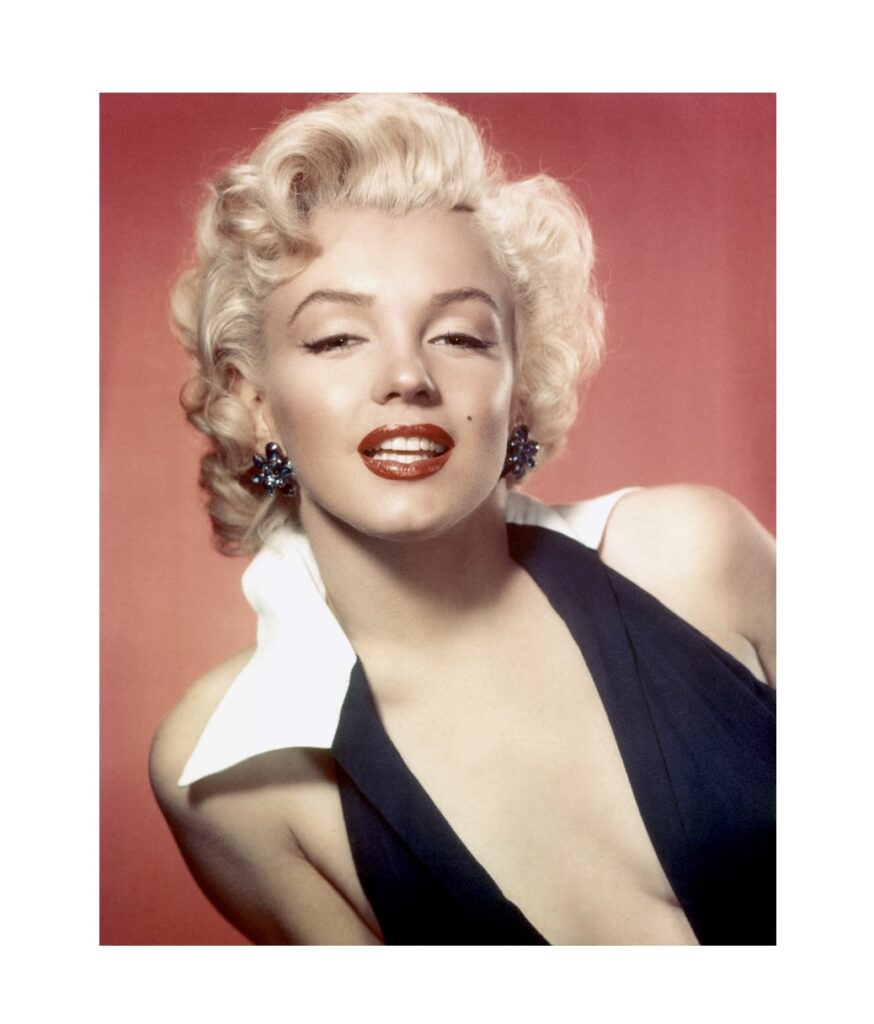
Red lipstick has never belonged to one type of woman. Marilyn Monroe made crimson iconic in midcentury holiday photographs. Taylor Swift turned her red lips into a modern signature, linking them to heartbreak, self-assertion, and stadium-sized visibility. Rihanna, through Fenty Beauty, declared that red belongs to everyone — making inclusive, universal shades that function not only as makeup but as a cultural statement.
The Politics of a Tube
A lipstick is small, but it carries contradictions: it can be marketed, commodified, co-opted. It can also be weaponized. Red lipstick has walked the picket line, sat in the boardroom, and danced in the club.
When Alexandria Ocasio-Cortez wears her signature red to Congress, she’s not just “done up.” She’s wielding history. She once said she wears it as a reminder that women in power can be both “serious and fabulous.” That’s the lineage she steps into: suffragettes, WWII workers, feminists, punks.
For everyday women, a red lip in winter says: I am here. I refuse to disappear into the season’s austerity. Against the backdrop of diet culture and January resolutions, it’s defiance in a tube.
Red Lips and Ritual
Think of the seasonal rituals we tie red lips to. Holiday parties with sequined dresses. New Year’s Eve countdowns. Valentine’s dinners. Each is a scene where red lipstick serves not only as style but as a signal. It says: this is not survival mode. This is celebration.
The ritual is almost sacred: open the case, twist the tube, trace the curve of the mouth. In winter, when days are short and nights are long, this small rite becomes an act of devotion to self, to pleasure, and to visibility.
A Swipe Against Silence
In the end, the feminist history of red lipstick in winter is about more than beauty. It’s about audacity. It’s about refusing to be muted when the world itself grows dim.
Every season has its colors and red belongs to winter. Not because it flatters, though it does, but because it declares.
The tube of lipstick in your coat pocket carries more than pigment. It carries protest, resilience, glamour, rebellion. It carries suffragettes marching down Fifth Avenue, factory workers building airplanes, punks screaming into microphones, congresswomen at the podium.
It carries us now. In a political moment where women’s rights are under attack, when reproductive freedom and bodily autonomy are being destroyed, red lipstick becomes more than ritual or style — it becomes reminder and resistance. Our red lips are more important now than ever: a small, defiant blaze against the chill of silence.
Red lipstick in winter is a reminder that even in the cold, women burn bright.

