

Diva Smith

Singer-songwriter Diva Smith grew up in Los Angeles but is currently based in Brooklyn. Earlier this year, she wrapped up a tour supporting Carol Ades and released her debut EP, Sunny Surrender. When asked if there is one woman who has influenced her most, Smith doesn’t hesitate. “St. Vincent has been a pillar for me since I was 12,” she says. “She was the first woman I remember seeing who was both an iconic lead singer and insanely skilled guitar player. I owe my love of guitar to her in a lot of ways.”
Much of Smith’s work deals with insecurities that will be familiar to many 20-something women. In the song “Still A Kid,” she dreams of waking up “blonde and tall.” I asked her to expand on that. “Social media has been such an incredible way for me to share my art [and] connect with people,” Smith replies. “At the same time, the comparison it brings has been really difficult. For as long as I can remember, I’ve been comparing myself to girls in magazines or instagram profiles.”
Smith plans to play a few more shows this fall before dropping her sophomore EP in November. “It’s going to be my usual self-deprecating, acoustic guitar-loving self,” she says of the upcoming effort. “But a bit more frustrated and heartbroken. I’ve gone through a breakup and that’s changed the tone a lot. But at the same time, I love to use music to bring me back up.”
- Byline: Dave Steinfeld
The Fatal Flaw by Paris Paloma

With her sophomore album, folk-rooted synth-pop artist Paris Paloma returns to the fierce feminism that fueled her early work, including the viral hit “Labour,” which spread a message of female empowerment across social media. On the powerful track “Good Girl,” Paloma seeks to reclaim the female body from the male gaze, declaring autonomy over her body and rejecting harmful beauty standards that prize thinness above all else (a standard that has seen a resurgence in this Ozempic-filled era). “Heaven is a fed girl!” she loudly proclaims in the refrain, later lamenting, “I am in love with my body/and my body is in love with me.” Self-acceptance and body positivity may not be new messages, but they still feel immensely timely and important. Sonically, the song is ambient and dancefloor-ready, an earworm of an anthem that lives up to the expectations set by “Labour.”
“Good Girl” is the counterpart to “Good Boy,” a track that feels especially prescient as it critiques the toxically masculine manosphere, from destructive billionaires to misogynistic incel culture. It opens with Emma Thompson declaring, “I knew one day I’d have to watch powerful men burn the world down. I just didn’t expect them to be such losers.” (The line comes from a Guardian op-ed by Rebecca Shaw critiquing the harm caused by billionaires like Musk and Zuckerberg as they suck up to Trump.) Lyrically, Paloma poetically explores men selling their souls to a patriarchal capitalist machine in hopes of obtaining power. The sound is cinematic, pairing fast-paced percussion with guitar and rising, dramatic vocals that bring to mind Florence and the Machine. As a whole, Paloma proves her work to be more relevant than ever, with her empowering and prescient critiques of misogyny, patriarchy, and the systems that keep them alive.
- Byline: Adrienne Urbanski
Hila by Frankie Rose
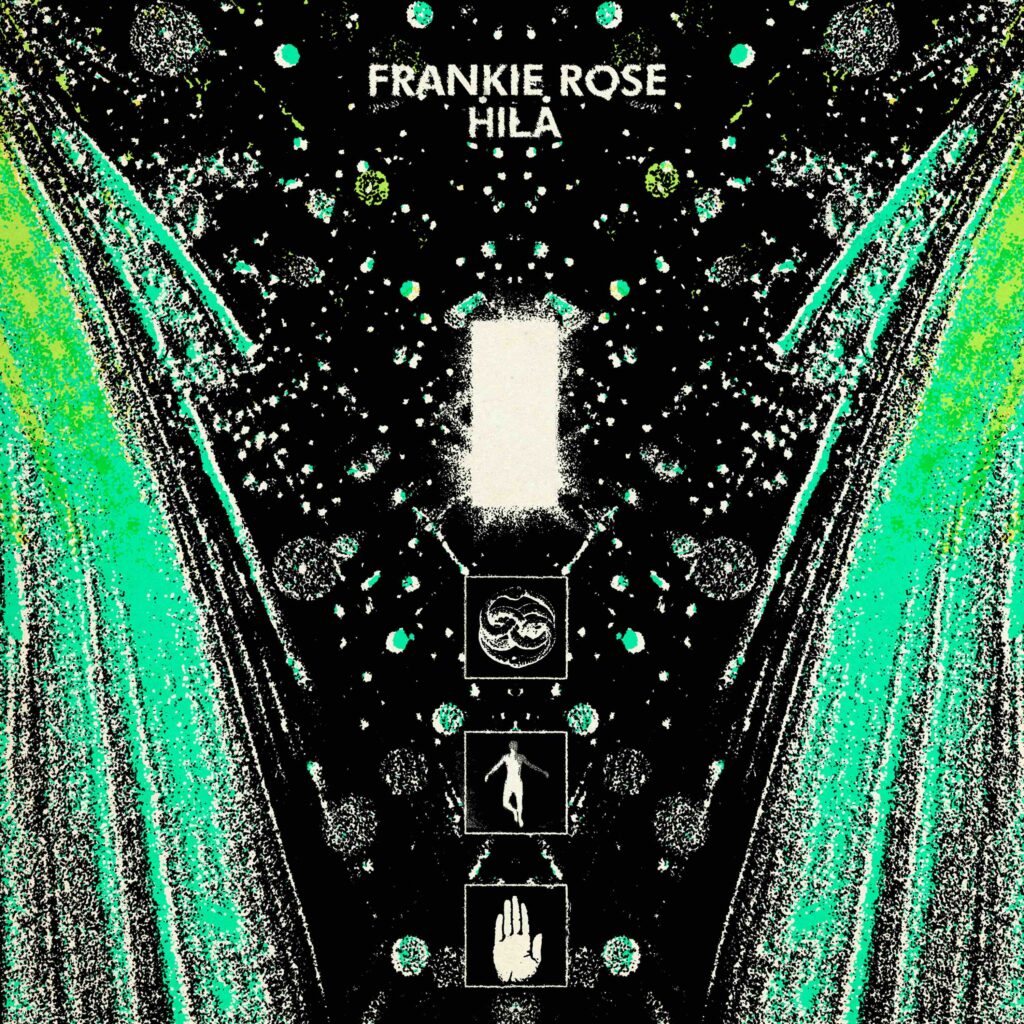
Frankie Rose makes music that seems to exist outside of time and place. By borrowing elements of dream pop, shoegaze, and synth wave, she concocts her own distinct sound without feeling derivative or overly nostalgic.
Hila is no different, an album that evokes staticky memories and cloudy dreams, highlighted by synthesizers and saxophones. Drenched in ambient haze and rich layers of fuzz, it creates a deeply immersive atmosphere throughout its 10 tracks.
Written and self-produced after years of touring, the release explores themes of grief and loss. But rather than focusing on closure or catharsis, Rose reflects on the processes of transformation and growth. From the opening pulses of “Olo,” she builds sweeping soundscapes of layered synths, blurred guitars, and slow-burning rhythms. The single “Can’t Be Wrong” glides on an upbeat groove with cascading keyboards, while titles like “Rainman” and “Best of Times” take it darker and deeper with saxophones cinematically reminiscent of ‘80s noir.
Rose’s ethereal voice remains soft and subtle, yet firmly at the forefront throughout it all. It recalls the melancholically moody vibes of Julee Cruise at the Roadhouse in Twin Peaks. Across its tracks, Hila turns memories and mourning into something dynamic and very much alive.
- Byline: Cindy Yogmas
Pylon by beabadoobee
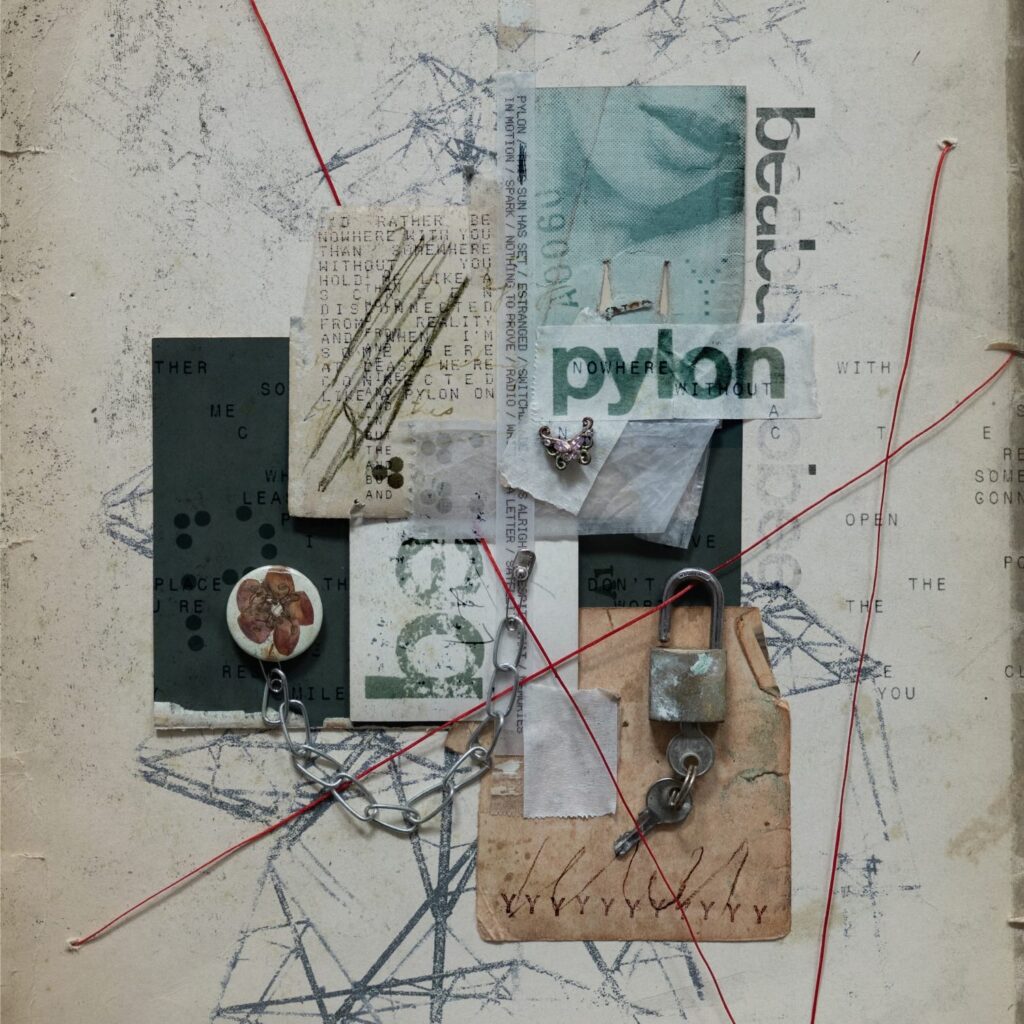
British alternative artist beabadoobee returns with her fourth album, Pylon, the follow-up to her UK No. 1 record This Is How Tomorrow Moves. Named after the electricity towers that line motorways and cities, Pylon finds Beatrice Laus drawing meaning from the landmarks she passed while touring, symbols of home and connection during periods of isolation and disconnection.
Rock has always lingered beneath beabadoobee’s signature indie sound, but Pylon turns the volume all the way up. Threads of classic grunge, Midwest emo and ’90s alternative run throughout the record, with contributions from Evan Stephens Hall, Chino Moreno and Shane Moran, alongside production from Matty Healy and George Daniel.
The album’s first single, “Sun Has Set”, leaves no doubt about Pylon‘s intentions. Unapologetically bitter and cathartic, it captures the emotional directness that defines the record. “A lot of the songs on this record are things I wish I could have said to someone,” Laus explains. “This song has this petty tunnel vision. It’s like, I hate you. You’re gonna stay here and listen to how much I hate you. Because I never got to say that.”
Among the highlights, Hayley Williams joins Laus on “Nothing to Prove”, a punchy indie rock anthem about reclaiming your power from friends siphoning off your success, while Turnstile’s Brendan Yates adds to the moody atmosphere of “Powerlines”.
With lyrics that read like pages from a long-lost diary, Pylon is an unfiltered, guitar-fuelled collection of songs that makes for the perfect autumn soundtrack.
- Byline: Reva May
Violins by Blondshell
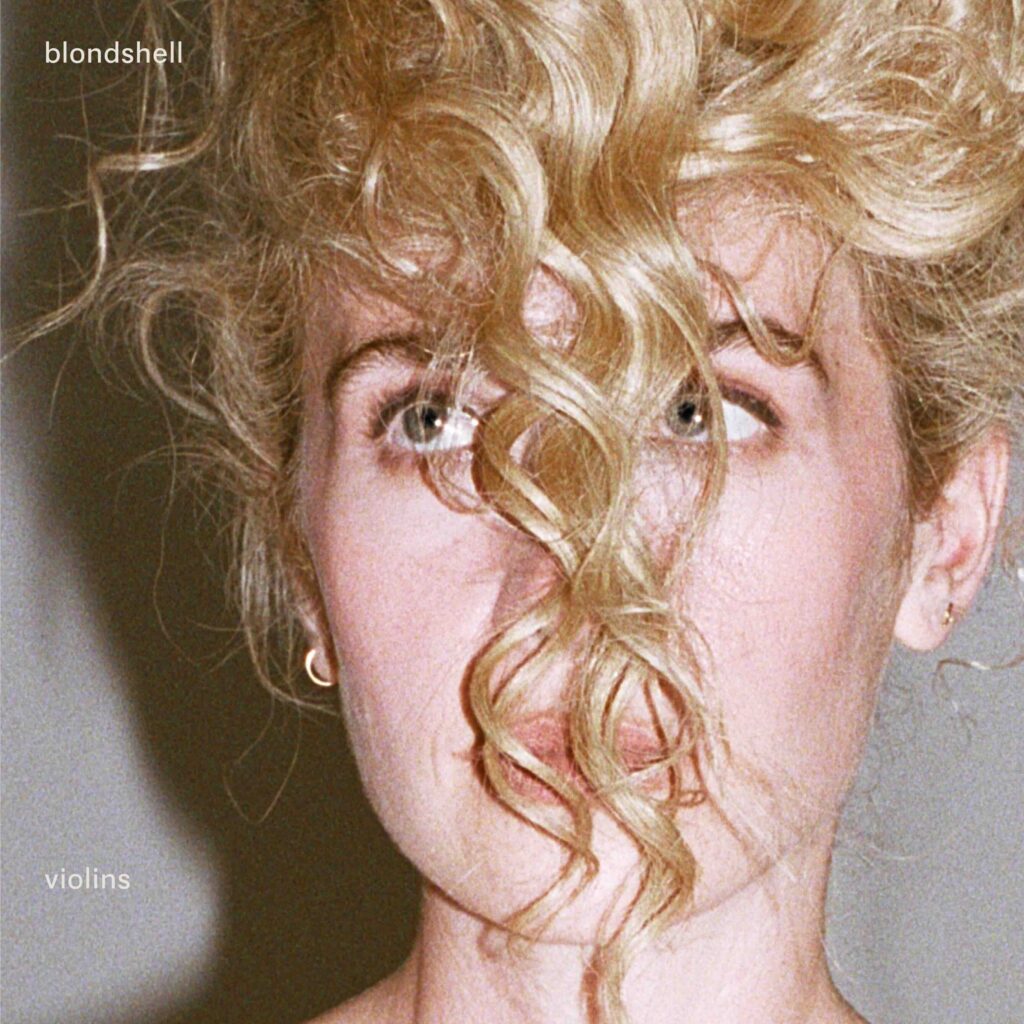
From 2023’s self-titled debut to 2025’s If You Asked For A Picture, Blondshell has built a reputation for unflinching songwriting that confronts power, addiction, body image and toxic relationships. On her third album, Violins, Sabrina Teitelbaum pushes even deeper, delivering her most direct and emotionally exposed work yet.
“I felt like I didn’t need to overexplain anything, like I can trust the people listening more,” Teitelbaum says. “It feels like every time I make a record, I get closer to making the thing that I really want to make.”
Rather than hiding difficult emotions behind stories of bad romances, Violins faces them head-on. Healing, violence, religion and the complexities of friendship become the emotional core of the record, as Teitelbaum explores what it means to move forward without forcing the process.
The title track and album opener, “Violins”, acts as the record’s anchor. Jarring snippets of everyday dialogue cut through crashing guitars, capturing the push and pull between grace and brutality as Teitelbaum reflects on the slow reality of healing.
That tension between beauty and violence runs throughout Violins. Each song feels like a collision between the mind and the body, with Teitelbaum’s songwriting hitting harder with every line. By stripping away what she calls “the veil of bad romantic relationships”, the hard truths are exposed, resulting in her most revealing album to date.
- Byline: Reva May
I Don’t Know Lady, I Just Work Here by Robin Shakedown
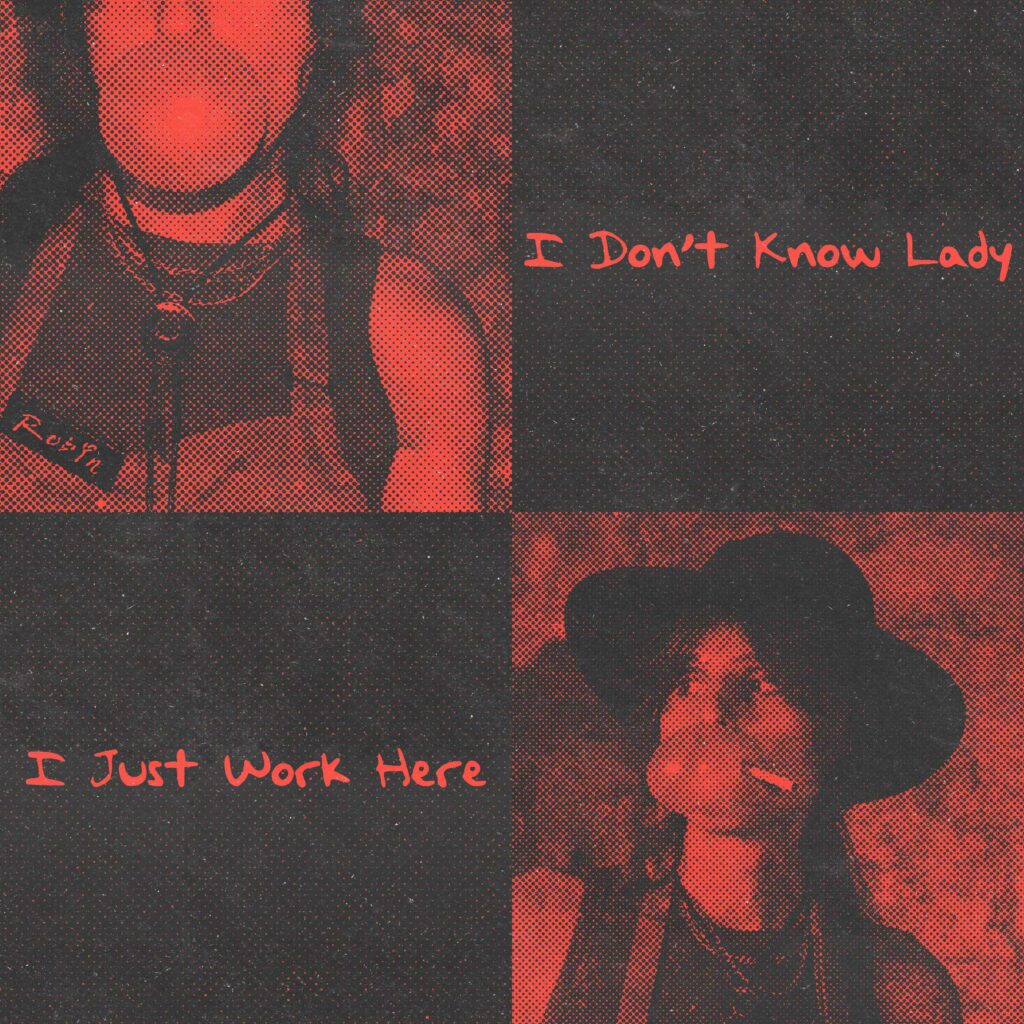
Robin Vincent, under the stage moniker Robin Shakedown, has emerged recently as an exciting addition to roots-rock Americana. I Don’t Know Lady, I Just Work Here is a self-proclaimed rallying call against cynicism, to leap artistic roadblocks. To that end she recorded this album herself at home in Atlanta. With the urgency of Desire-era Dylan, the wordplay of Courtney Barnett, and a powerful, angsty voice, Vincent shares her brain jolt whimsy on songs like “A Night With My Sleep Paralysis Demon (Her Name Is Brittany)”, the woes and joys of being indie on “Van Song”, and an anti-AI manifesto on “Learn To Sing”.
Scathing commentary like “Everyone’s addicted to culture shock,” “The future ain’t what it used to be”, “Maybe in another world I could afford the cost of being alone”, deliciously memorable pop-synth padding jangle-fuzz guitar riffs, and verite voice memo snapshots of her everyday life paint the psyche of a queer trans woman making it work—somehow—in a world that deserves her in it. And it’s frankly FUN to listen to, with no skips. Vincent shows us that the more we strive and show our vulnerability, the more we succeed as artists—and that burnished patina outweighs influencer polish.
- Byline: Mya Byrne

