

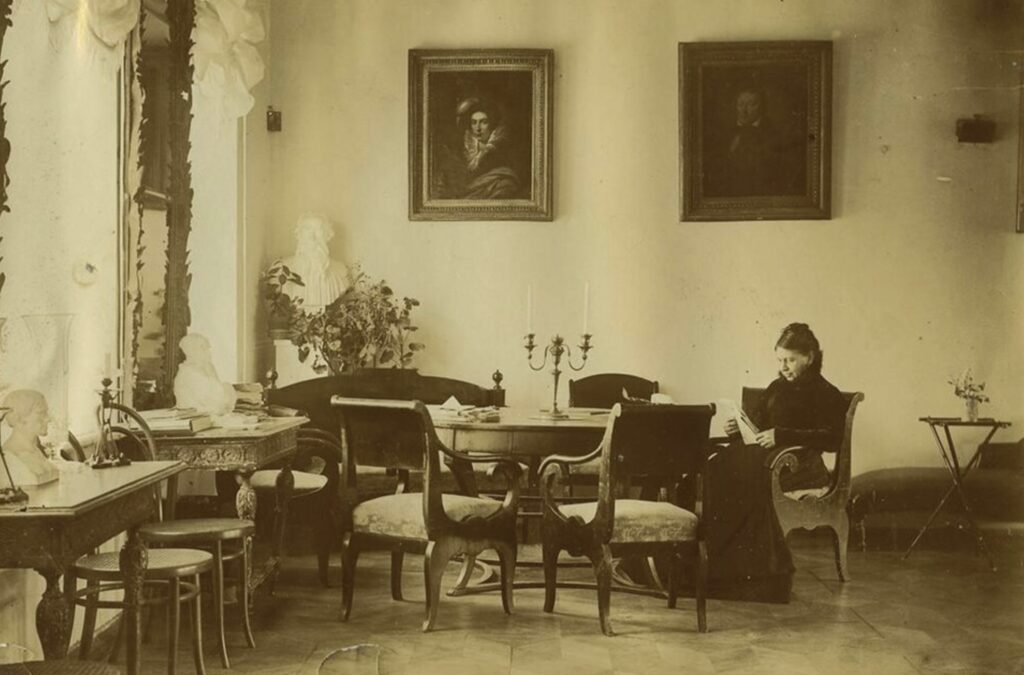
For many of those famous literary works sitting on every home’s bookshelf, the author credit is missing some vital information. We know that men are notorious for taking from women and passing their work off as their own, from art to politics to music. The same goes for the world of the literary elite, built by women, yet credited to men. These women deserve to be recognized for their role in establishing literary history, even if it’s a bit after the fact. These partners’ involvement varies from directly writing their husbands’ book passages, editing the manuscript to within an inch of its life, acting as the artistic muse behind the female characters, to being the investor and cheerleader who got them to the top. No matter how small or large each role was, it’s clear that we would not have the novels we do now if not for the weight carried on the backs of the women back home.
Zelda Fitzgerald
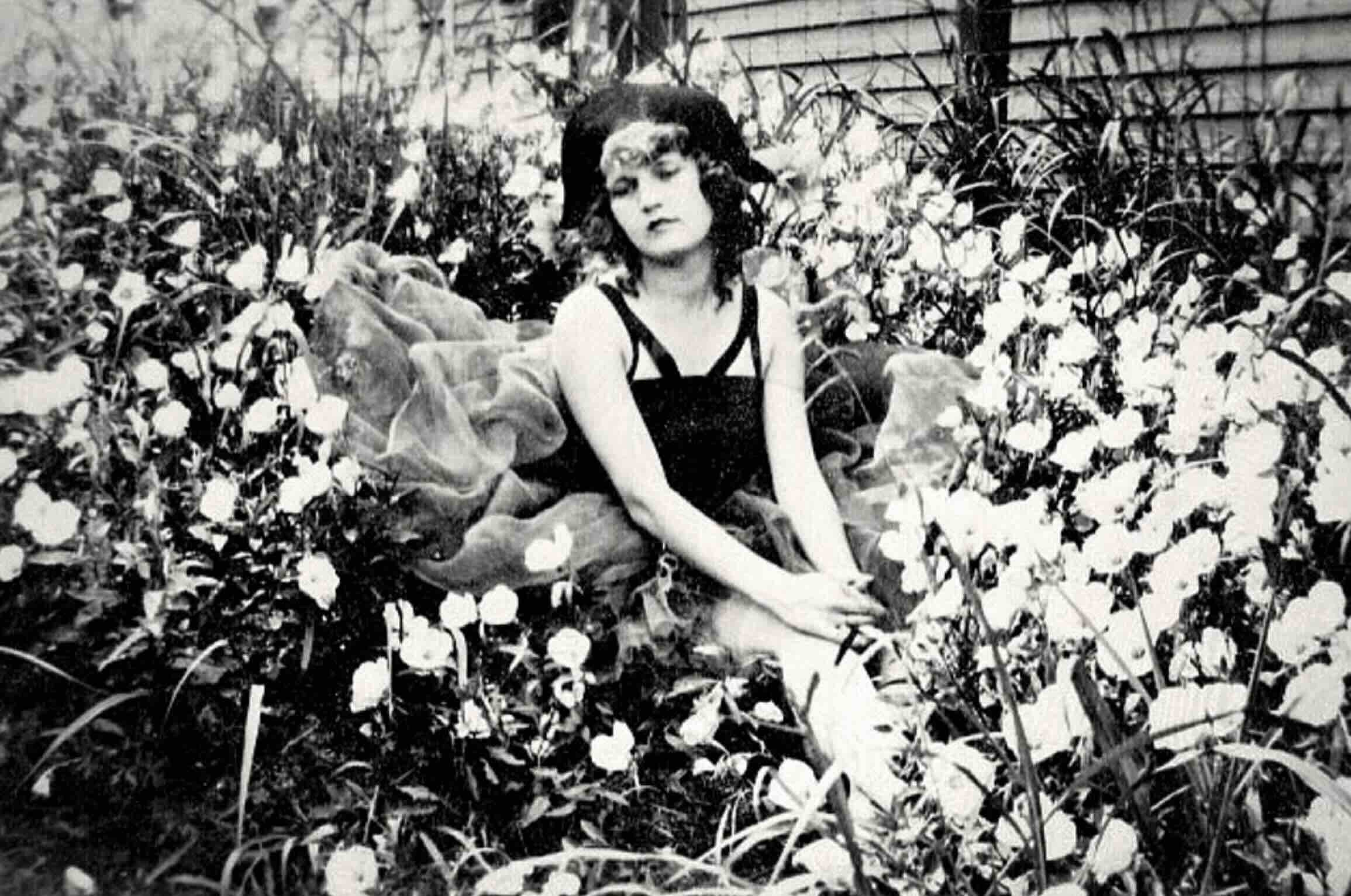
The swinger era bad girl Zelda Fitzgerald is the true artist behind F. Scott Fitzgerald’s novels. The thing about Zelda was, she wasn’t perfect. She was born into the heart of Jim Crowe era Alabama, raised as an only child in a racist and homophobic state. She was immature and selfish, but this bold behavior from a woman at that point in time made her a feminist icon in the latter half of the century. It remains true that her husband, Scott, would not have been inspired to write The Great Gatsby if not for his wild-natured jazz-era lover. Letters Zelda wrote to her husband while traveling, edits and notes on his writings, journal entries, and personal qualities made their way into the 1920s novel. Even straight quotes like the famous line “I’m glad it’s a girl. And I hope she’ll be a fool—that’s the best thing a girl can be in this world, a beautiful little fool” can be credited to Zelda. As her husband’s fame grew, Mrs. Fitzgerald was growing rapidly restless and lost. She began feeling desperate for a reclamation of her individuality, practicing ballet for hours every day until her feet bled, painting fractured self-portraits, playing piano, swimming obsessively… All of this concerned Scott but the final straw was when he discovered her secret novel she’d been writing, Save Me the Walz. The struggling author couldn’t take the fact that his larger than life wife was entering “his” bounds, the literary world, and worse yet, she was good at it. He accused her of framing him in a poor light in the novel even though it was not biographical, he sabotaged the release causing the book to flop. Scott then had Zelda institutionalized in a psychiatric facility with the doctors claiming she suffered from schizophrenia and a nervous breakdown. However, the question remains: was she ill, or another victim of an envious man, driven mad by her artistic suffocation? After the publication of The Beautiful and the Damned, Zelda wrote a cheeky review of her husband’s novel, partly as a PR stunt, partly as a way to coyly point to the fact that he stole her words as his own. She writes, “Mr. Fitzgerald — I believe that is how he spells his name — seems to believe that plagiarism begins at home.”
Sophia Tolstoya
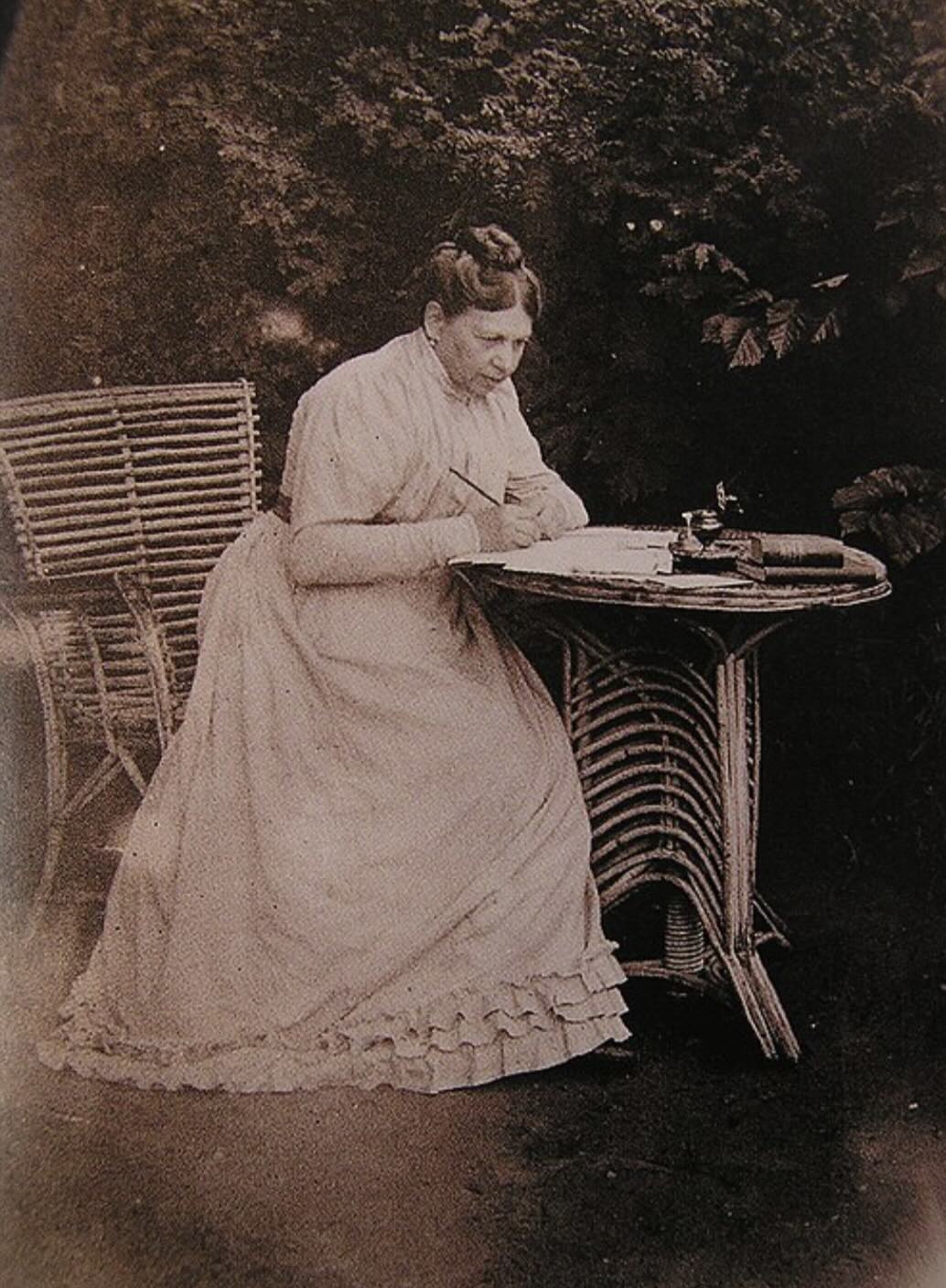
Sophia, wife of Russian author Leo Tolstoy, is a prominent example of female exploitation. Not only did she run the estate, the financial affairs, the publishing, and negotiations of Tolstoy’s novels, but she birthed thirteen of his children during their 48 year marriage. Fourteen children, if you count Leo’s writing career. She was his literary agent, editor, and PR manager before these things really existed. The manuscripts Leo plopped on his wife’s desk were always a jumbled mess of Tolstoy’s brain, dumped onto the page in chicken scratch. Their children later said in reference to their mothers’ work that to edit Tolstoy’s writing, you must know what he means to say and how he thinks to make sense of the philosophical ramblings in a way the public will understand. Sophia rewrote the manuscript of War and Peace seven times, a novel of over a million words, by hand. Leo’s wife loved him deeply despite his cold and detached attitude she often had to endure, writing in her diary that she longs for closeness from her partner whom she adores. Tolstoy’s biggest betrayal to Sophia was at the end of his life, when he secretly arranged for the control of his work to be handed over to his young prodigé Vladimir Chertkov, instead of his wife who had been responsible for the authors’ booming career. Chertkov would use this power to publish unfinished collections and discredit Sophia’s writing and influence. The woman spent her life creating financial security and comfort for a man who wasted his griping about materialism and fantasizing about working class struggles.
Hemingway’s Fleet of Wives
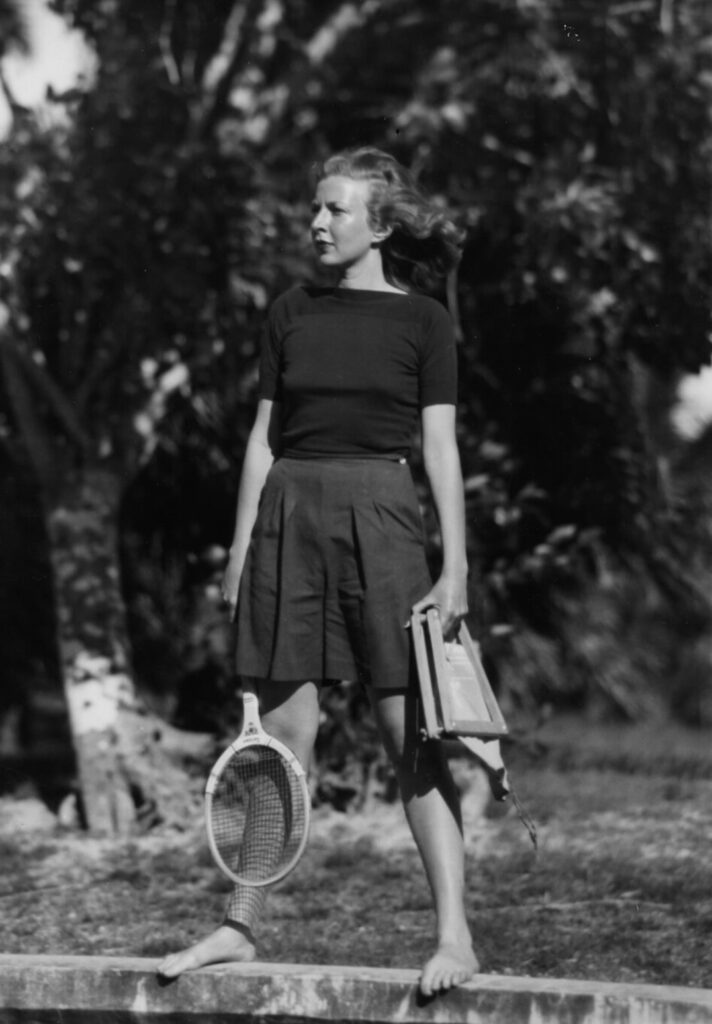
Hadley Richardson, Pauline Pfeiffer, Martha Gellhorn, and Mary Welsh, in that order, were married to Ernest Hemingway. Hemingway had a not so subtle pattern in his love life: takes a wife, meets a new young female writer that catches his pedestalizing eye, leaves wife to marry said dream girl writer, takes over her job and life until she’s completely absorbed in his world, rinse and repeat. Hadley Richardson’s marriage to Ernest was earnest (ba-dum-tss) in its love; they had a son together, she was a supportive wife to a budding writer, even purchasing a brand new typewriter for him to begin his first novel. Their relationship would come to an end when he left her for their mutual friend, Pauline Pfeiffer, a fellow journalist they met in Paris with a trust fund and a rich career. After his first marriage dissolved, Hemingway wrote A Moveable Feast in which he romanticizes his relationship with Hadley, cursing Pfeiffer for seducing him out of his marriage. Pauline had worked for Vogue and assisted her husband through the writing of The Sun Also Rises, acting as his editor. After moving back to the States, he met young journalist Martha Gellhorn at his favorite restaurant, Sloppy Joe’s, connecting over politics and writing. Soon after, Martha left Key West where Hemingway resided at the time. Ernest followed her to join in reporting the Spanish Civil War, leaving Pfeiffer alone with two sons to care for. Martha was a novelist and highly regarded war correspondent, covering every major international conflict throughout the six decades she worked in journalism. Their marriage was brief as his ego couldn’t handle having a wife who was away so often traveling the world being a total baddie. His last wife, Mary Welsh, was his partner until his death in 1961. Also a journalist, she reported on WW2 and Winston Churchill, Mary became the literary executor of her husband’s work. She went on to publish A Moveable Feast posthumously in 1964 on Ernest’s behalf.
Claire Douglas
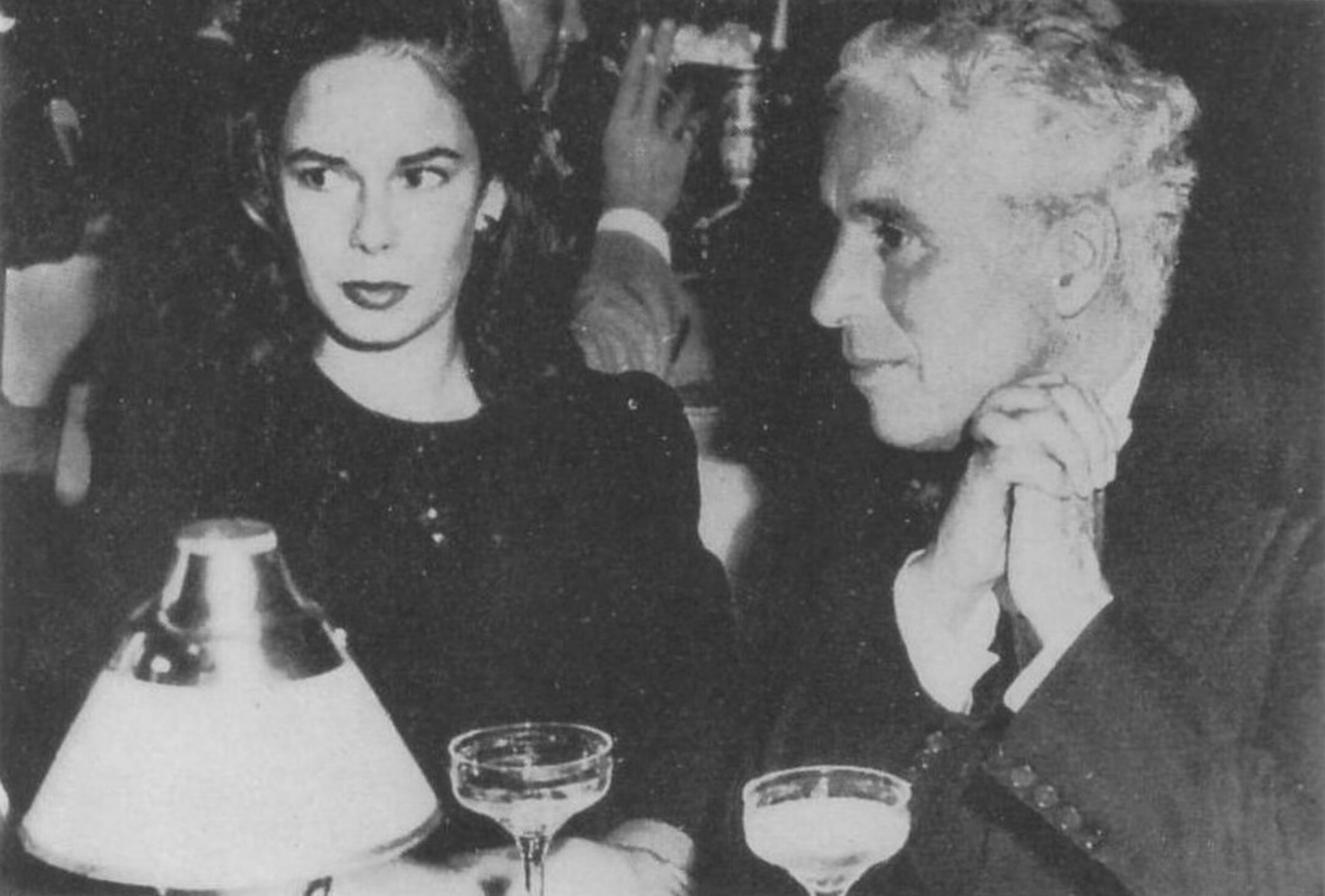
Aye-yi-yi where to start with this guy. J.D. Salinger, the East Coast 1950s author most known for the novel Catcher in the Rye, was quite the pedophilic creep in his day. He was notorious for dating teenage girls and women half his age. He married three times: first to Sylvia Welter for only a couple of years, then Claire Douglas for about a decade, and finally to Colleen O’Neill when he was in his 60s–and she was 21. The most influential of his wives in regards to his literary career was his second wife. Claire Douglas was 19 and Salinger 36 when the two had a ceremony-less wedding. Prior to getting engaged, Salinger had proposed once with the condition that Douglas drop out of college where she was pursuing journalism and come live with him to which she first refused but later accepted after experiencing distress at his absence. She dropped out of college with four months to graduation. The ego-centric novelist insisted that his wife leave that life behind and commit fully to life with him, so Douglas set fire to all of her writing projects. The couple lived in a rustic Cornish home that lacked adequate hot water, heat, and a bathroom, yet she was expected to prepare three meals daily and keep the home clean and bedsheets fresh. When the short story Franny was published, Douglas knew the character was inspired by her, but the likeness was jarring. The story she read was her own, from the age of the character, to specific childhood details and phrases she had shared with her husband, to even a small green book Franny carries with her that Douglas had bought at Brentano’s. It was undeniable that the character was nothing but a copy of her own life set to paper with a different name. Over the course of their 12-year marriage, Salinger would leave for weeks to months at a time, traveling and studying various religions and theologies while Douglas held the family and finances together back home. They would divorce in ‘67, when she filed due to emotional distress and chronic absence from her husband. Claire Douglas would go on to finish her education and become an accomplished Jungian psychoanalyst and write about her experience.
Whether these men were geniuses or not could be argued endlessly. It is undeniable though that their lasting effect on society was only solidified because of the women they knew along the way.
All Images from Wikimedia Commons

