

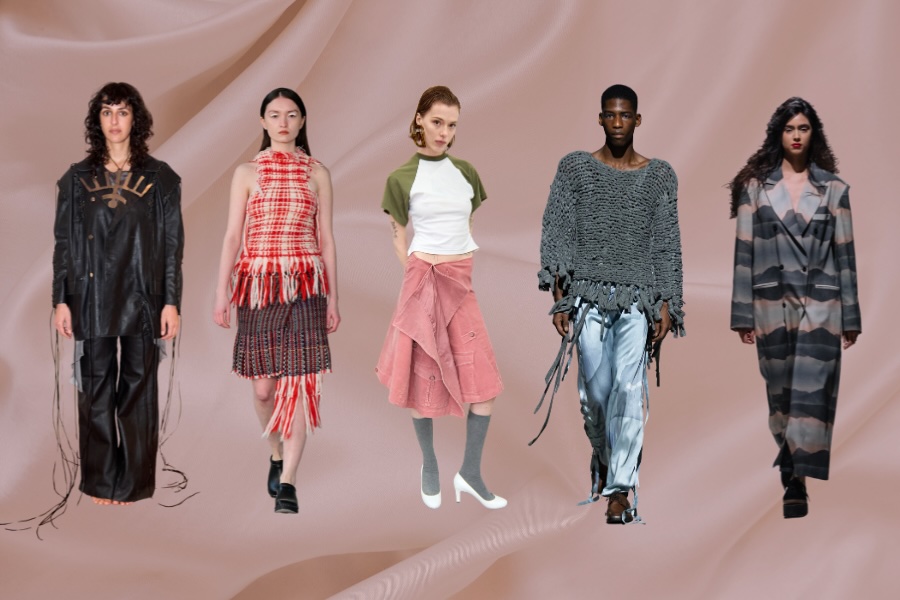
This is the bitter truth: men still dominate fashion in most major cities. Thankfully, not in Copenhagen or Berlin. 18 of the 26 brands on the official Copenhagen Fashion Week schedule are led by women founders and creative directors – that’s 70% – and the vast majority are also founder-owned. There is no other fashion week like this! Berlin, meanwhile, is well known for kick-starting the careers of young, emerging women designers. These fashion weeks are no longer for underdogs of the fashion world – they are building and shaping a scene that isn’t necessarily sparkly and glamorous, but real, relevant, and reflective of our lives. Here is BUST’s selection of women-led (and owned!) fashion brands from the Copenhagen and Berlin shows that you should definitely keep an eye on in 2026 – so you can proudly say you were watching them from the beginning.
SSON
Copenhagen
Led by creative director Yulia Kjellsson, SSON uses already worn and loved second-hand textiles as a tool to create contemporary silhouettes that you immediately want to try on and wear. With the power of tailoring and draping, the pieces look so modern and fashion-forward that, if you didn’t know better, you’d never know that they were created from something that already existed. SSON is committed to pioneering a future fashion model that is circular, while never losing sight of fashion’s essence – creativity, storytelling, and innovation.
This year, the brand made its debut as One to Watch on the Copenhagen Fashion Week schedule, presenting their FW26 collection The Fortunate Ones. The vibe was dystopian – a mountain of discarded clothes in the corner of the room, reaching the ceiling and creating this uneasy feeling that it might fall at any moment and bury us in a sea of fast fashion. It makes us think about our privilege to discard, replace, and buy new, while also serving as a wake-up call that, in fact, we are already drowning in landfills full of items we once so joyfully unpacked.
The collection does not offer solutions, but instead shares a belief that maybe, just maybe, we should work with these vast resources we already have. The design process feels intuitive, as the previous life of the garment seems to offer its next purpose: a bag becomes a skirt, a skirt becomes a halter dress. For a second, it’s nice to pause and try to guess what shape of life the piece had before becoming a street-style-savvy SSON creation.
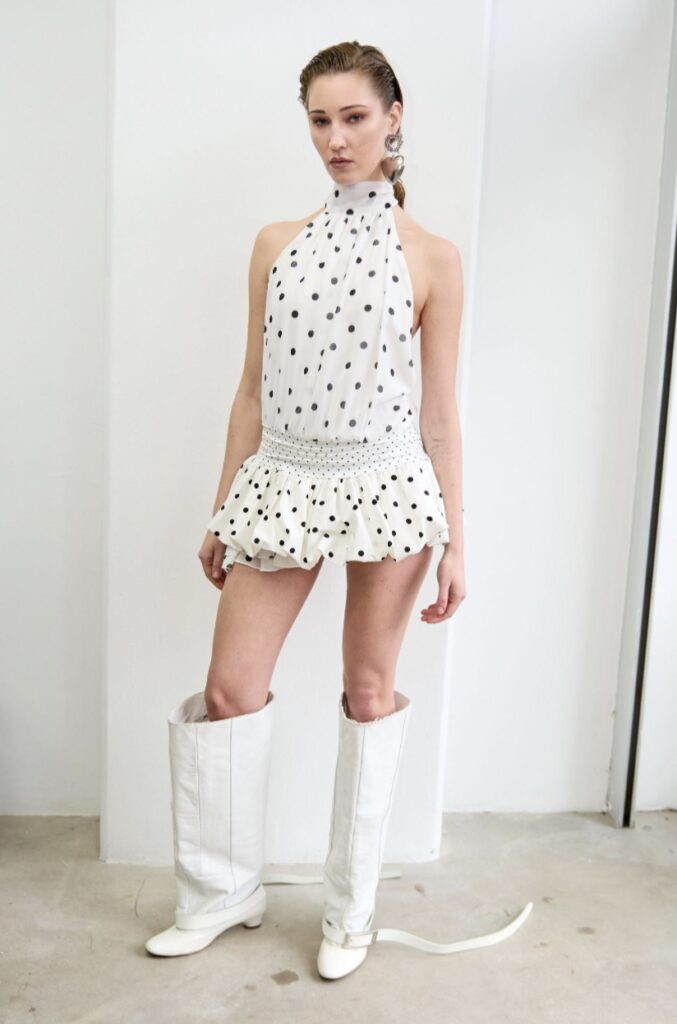
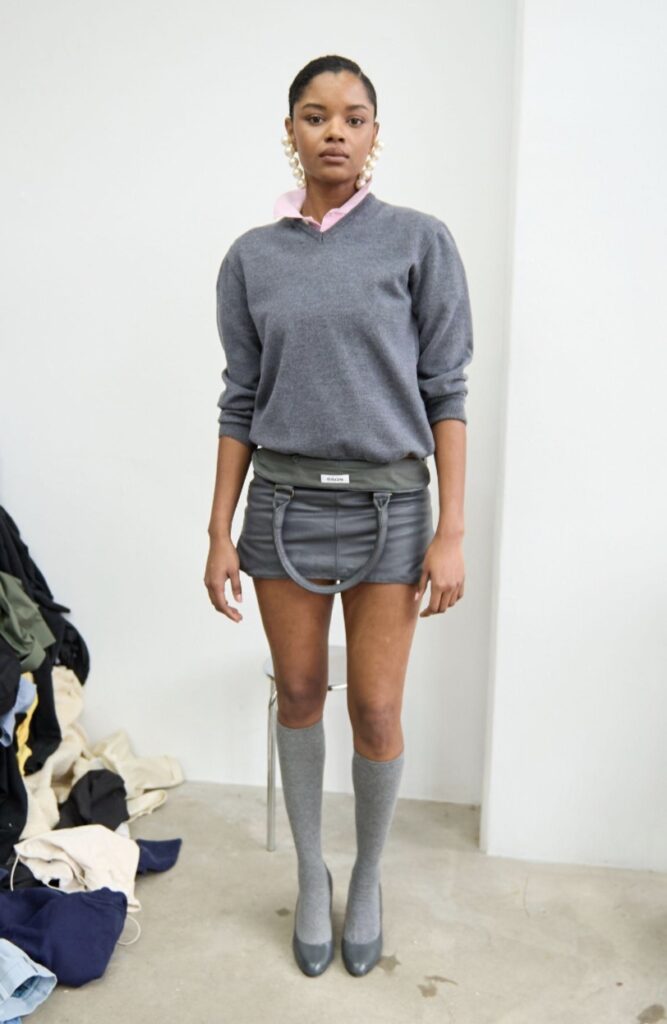
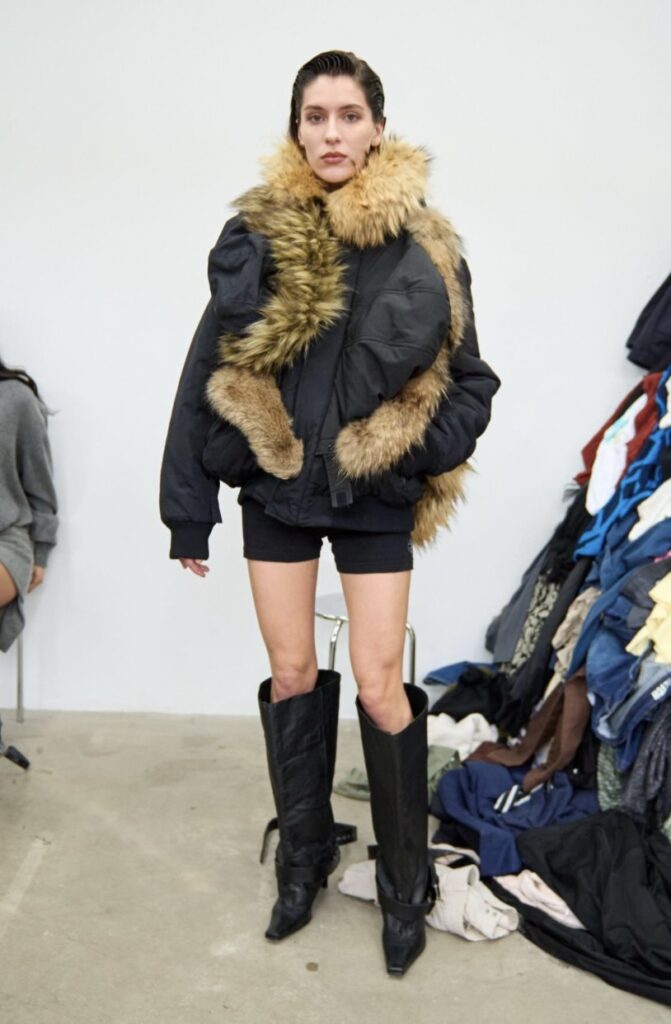
Photography: James Cochrane
Nazzal Studio
Copenhagen
When you first encounter this brand, it strikes you with a hard-to-explain ethereal energy – latex that looks like human skin, loose ties that feel almost otherworldly combined with hard, rigid leather. There are some folkloric ornaments too, but instead of being nostalgic, they look as if they’ve been painted with blood. There’s tension in the air – and yet, you’re hypnotized. Founded by Palestinian designer Sylwia Nazzal, raised and based in Jordan, Nazzal (Fashion and Art, as Sylwia herself puts it) Studio positions itself deliberately at the intersection of community and identity, a label she fully embraces. Every collection manifests through collaboration, performance art, open experimentation, and a deep commitment to process-driven storytelling. For Sylwia, fashion is never the end goal – it’s the medium. A tool to meaningfully and unapologetically stand for political values, activism, and refusal.
She is openly – and rightfully – proud of her Palestinian roots and cultural heritage. It is worth mentioning that Nazzal Studio became the first Palestinian brand to ever participate in Copenhagen Fashion Week. Their February FW26 debut, Al-Najah | النجاة, was a quiet gut punch. Created in collaboration with expressive artist and mixed-media master Jad Maq, the collection revolved around a painfully relevant theme – survival. Drawing from Bedouin survival instincts in the harsh landscapes of Bilad al-Sham, the work rejects nostalgia in favor of something crucial, resistance in the present moment. When heritage is constantly under threat, remembering isn’t enough. You have to endure and push forward. Process, as always, is inseparable from the outcome. Pigments were drawn directly from the land – desert rock, henna, indigo, and – brace yourself – powdered deer blood. The result is as meaningful as it is impressive as an object of clothing. The silhouettes are strong and well-balanced, dramatic yet kinetic, offering real freedom to wear it as you feel like. And that matters. Because, just like in Sylwia’s values, no one has the right to take your voice away – identity survives only if it’s fought for.
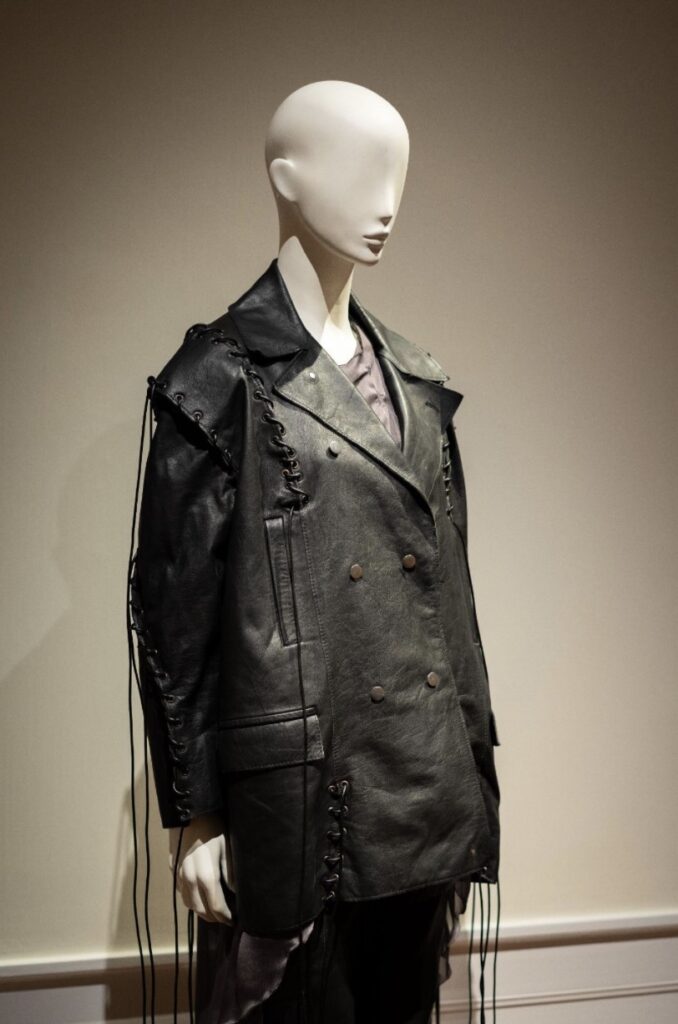
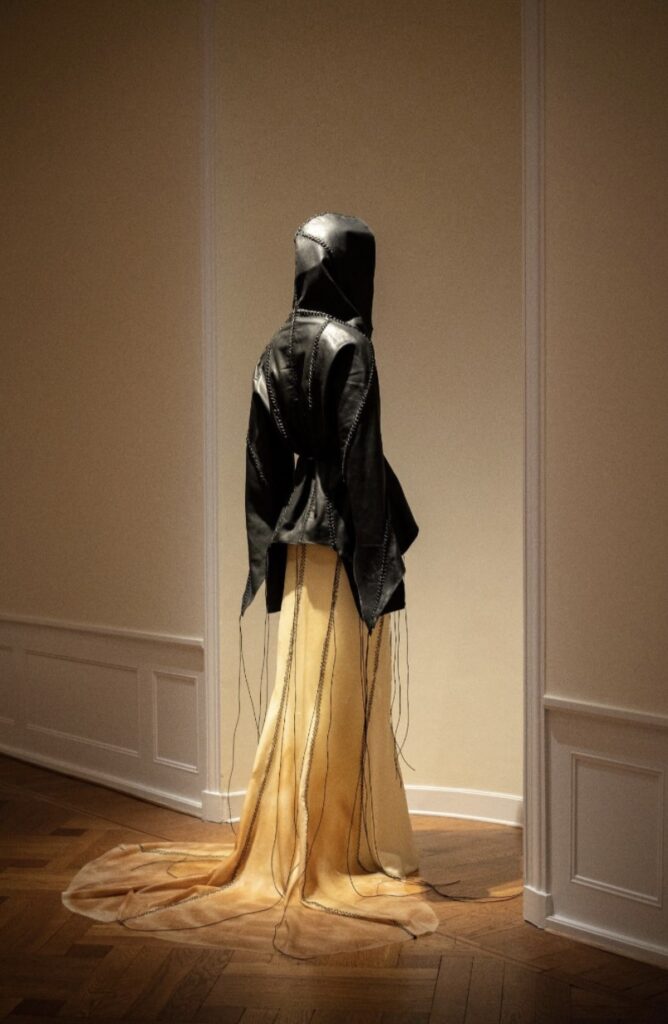
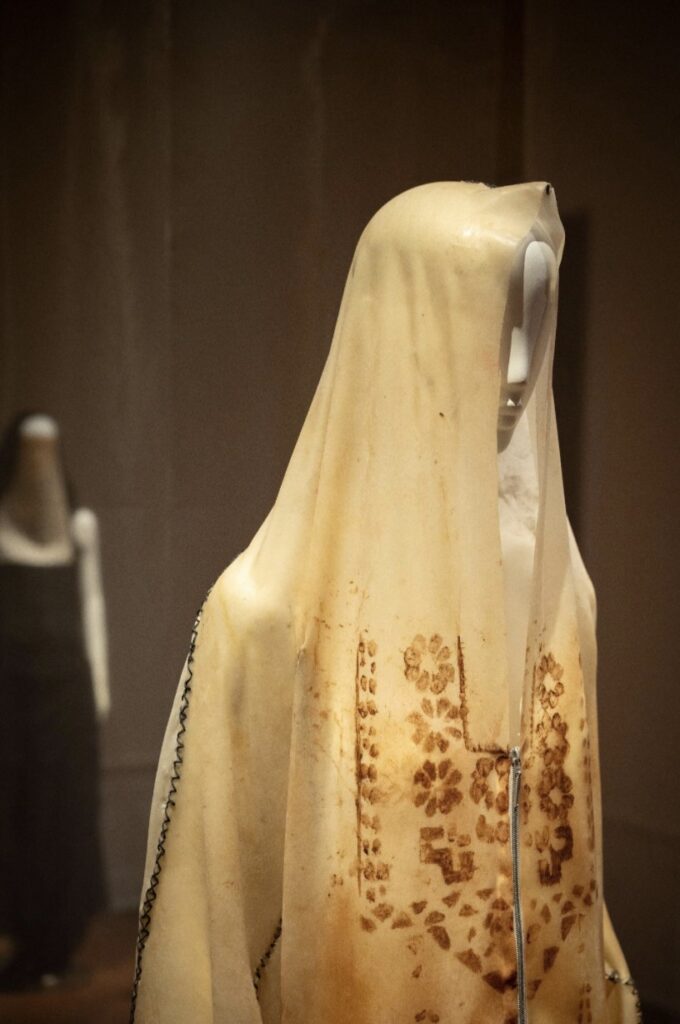
David Samling Museum, Photography: Mads Dobel
STEM
Copenhagen
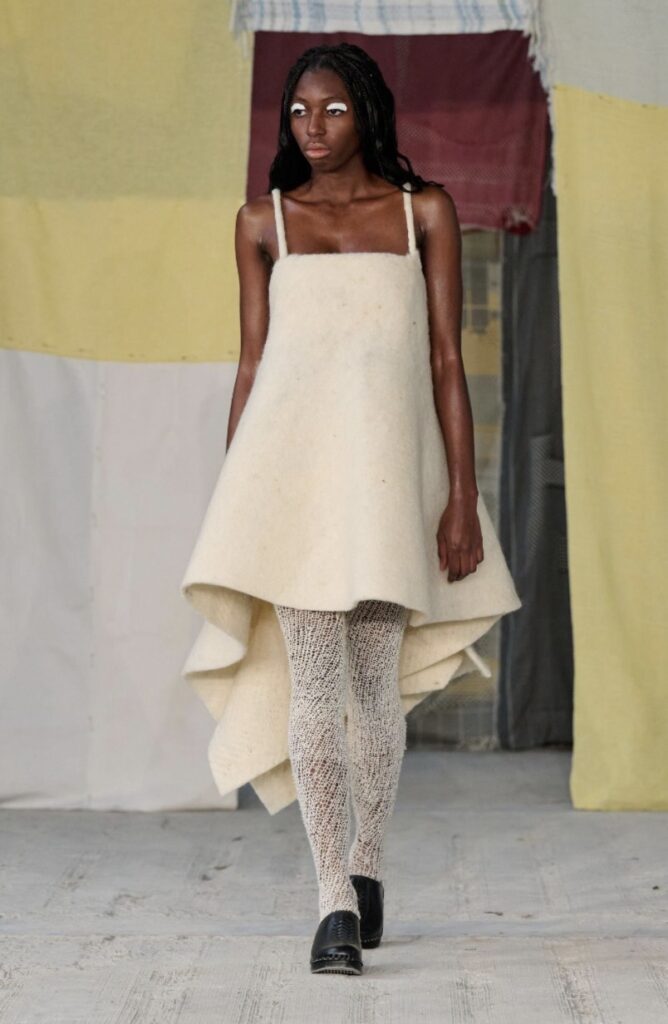
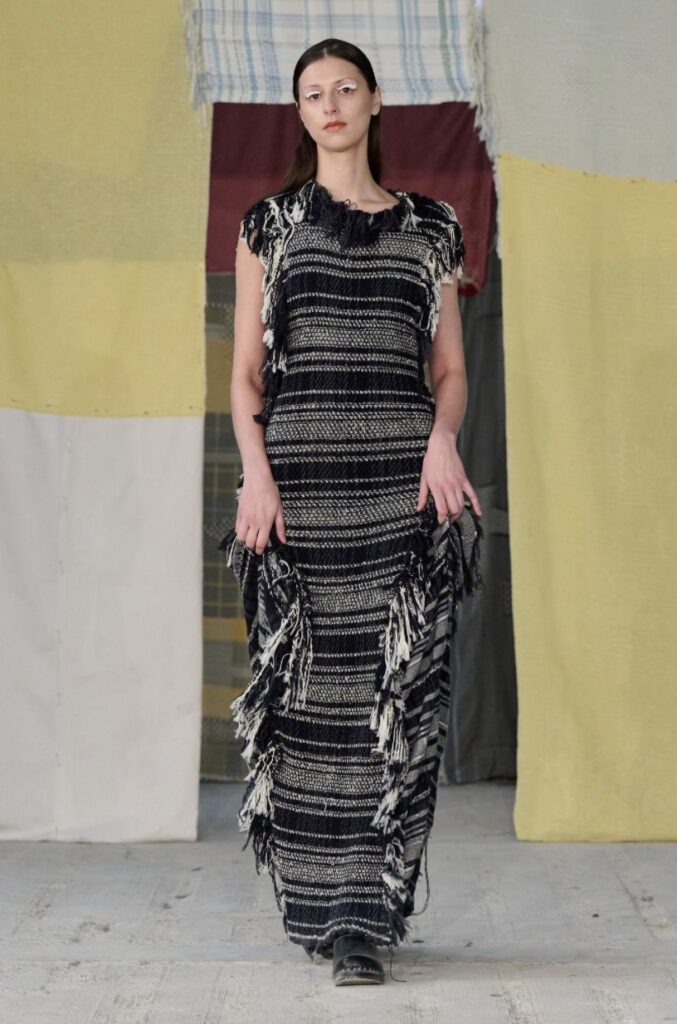
Founded by designer Sarah Brunnhuber, Stem is not only a Copenhagen-based clothing brand but also an entire textile system, built on a methodology that eliminates cutting waste and makes the production process legible through the garment itself. Sarah has just launched her long-time vision of Stem Mill – a research-driven production site for local, low-impact textiles in Denmark, proving that taking real action toward more sustainable production was never just talk. Every Stem piece is constructed from certified (recycled) natural fibres and shaped through a weaving technique that embeds the pattern directly into the fabric. You read that correctly: shape and pattern are literally woven in, letting seams, fringes, and finishes stay visible – nothing is cut after the product is finished.
With the recent collection To Wool, Stem turns its full attention to wool – uniquely woven, not knitted. Through twisting, felting, and pleating, To Wool asks what happens when the fibre is allowed to take the lead in the design process? During research, Sarah met Berit, who is, as archaic and romantic as it sounds, a Danish shepherd tending a flock of 800 sheep. Her yarn – spun locally – became the perfect starting point. Sarah observed that once twisted, the wool revealed a character of its own: surprisingly strong, springy, and cooperative material. The result is a garment that looks incredibly contemporary and fashionable. The imperfections and traces of how it’s been made become the crucial part of the design creating decorative fringes.
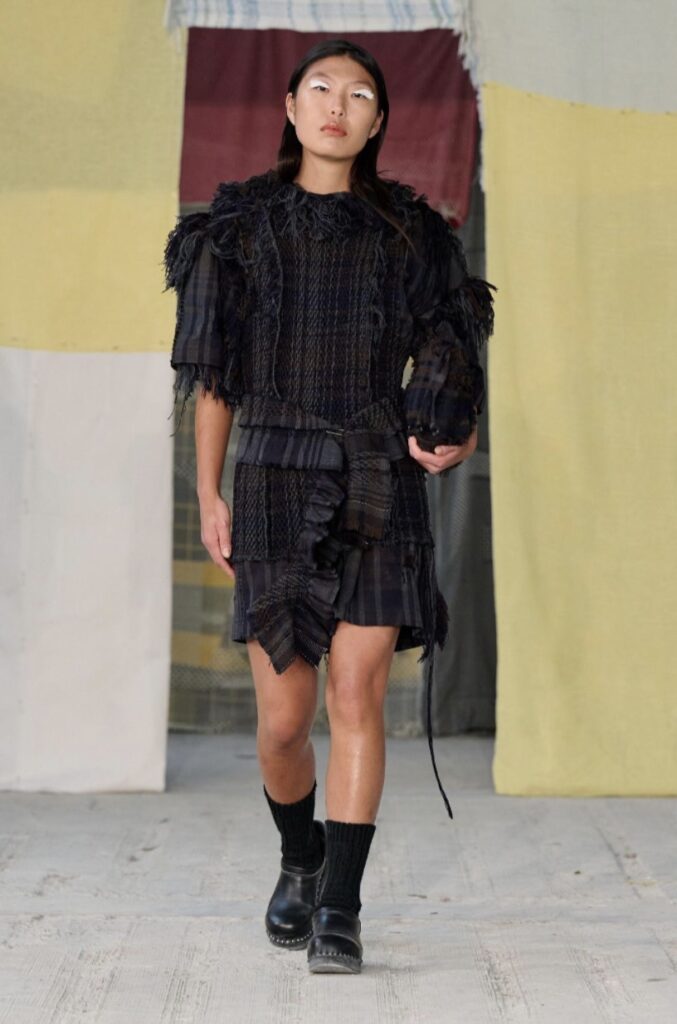
Photography: James Cochrane
Rebekka Ruétz
Berlin
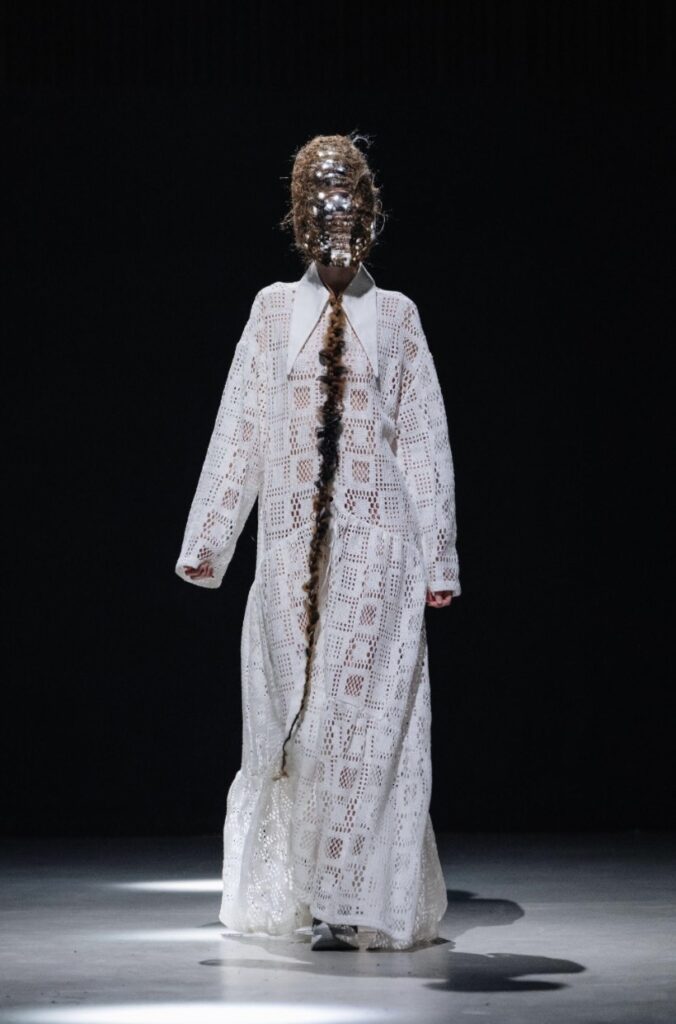
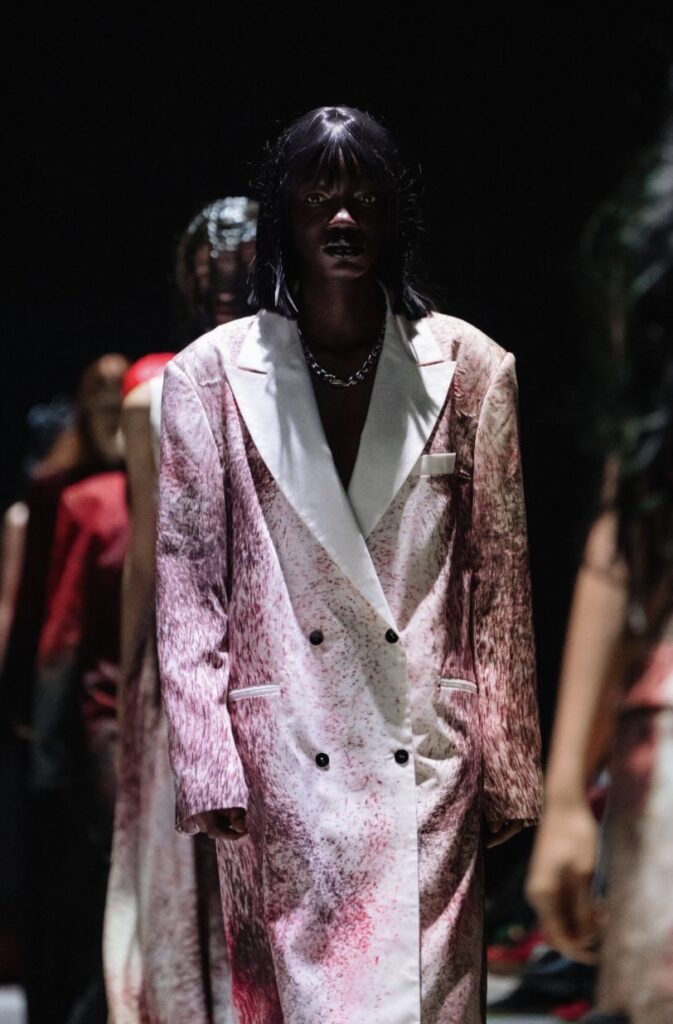
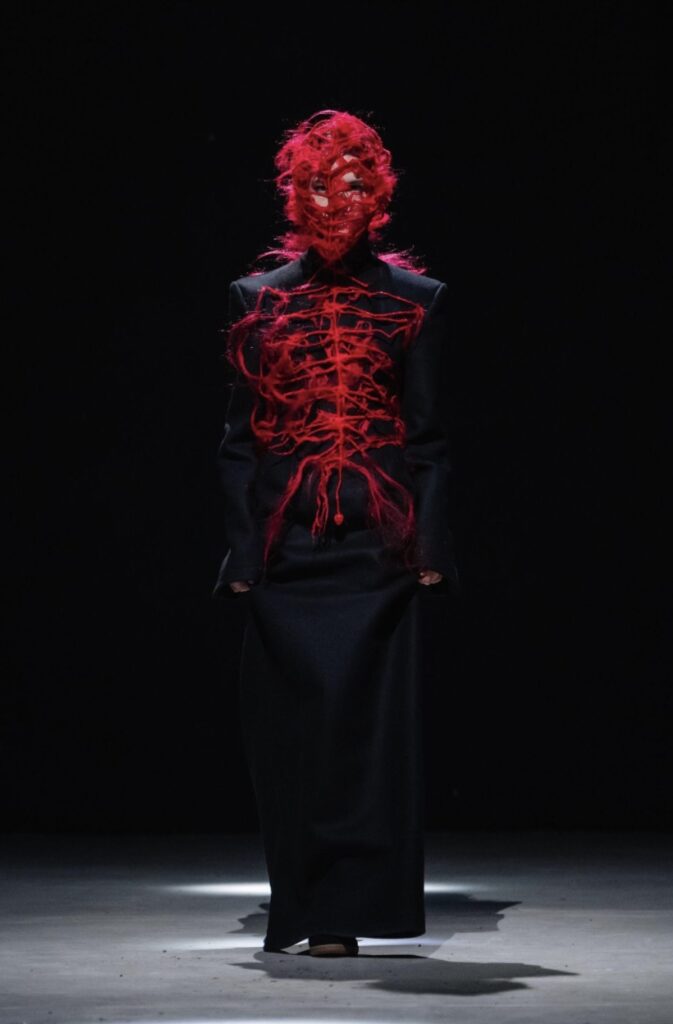
Rebekka Ruétz speaks a language that is entirely her own – contemporary avant-garde fashion language. Even though minimalist design is not foreign to the designer, she never misses a chance to take an experimental approach to materials and would never neglect her process-driven methodology. Sustainability is also deeply embedded in the brand’s identity. Rebekka Ruétz consistently works with upcycled, recycled, and deadstock materials, complemented by durable fabrics and regional craftsmanship. The brand will instantly speak to you if you don’t pay much attention to trends, but instead look for individuality and appreciate a garment with an interesting backstory.
Speaking of interesting, for her Lilith collection shown during the recent Berlin Fashion Week, the central narrative element became the use of real moss appliqués. As a living material, moss stands for time, transformation, and impermanence, as Rebekka Ruétz sees it. Hypnotising silhouettes, while impeccably tailored, still revealed frail, imperfect finishes – a deliberate rejection of perfection in favour of change and trace. The mentioned upcycled fabrics were complemented by hand-selected sustainable lace, organic cotton denim, cast natural latex in a serpent finish, and traditionally produced Tyrolean loden (sounds exotic, in fact it’s a water-resistant woollen fabric traditionally used by mountain farmers).
Rebekka Ruétz’s collections are always multi-layered, and while watching the models pass by, you might feel like you’re attending a witches’ consulate. A very fashionable one with flawless taste, of course.
Photography: Marcus Hartelt
IMPARI
Berlin
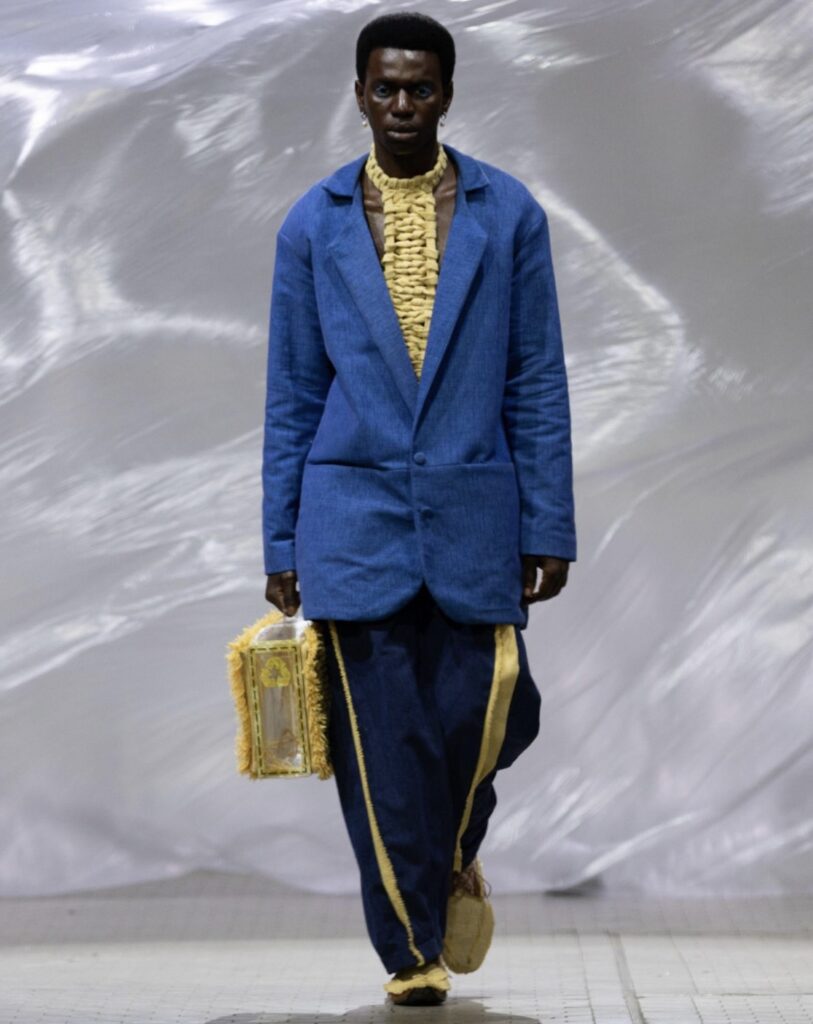
The brand’s name, which means “unequal” and “you learn,” reflects its commitment to individuality, education, and social responsibility. Founded by designer Jana Heinemann in 2018, this Berlin-based brand stands out for its bold use of colour (not so typical for Berlin) and its commitment to sustainability. For her brand IMPARI, Jana mixes and matches different textures, colours, and 100% recycled PET materials into something so unique you never knew could exist in a zero-waste way. The brand’s name nods not only to individuality, but also to social responsibility.
IMPARI prides itself on the fact that every piece is locally produced, and that all fabric remnants from the cutting process are upcycled into future collections. Jana is a strong believer in encouragement and describes her mission as not only showing her art, but also connecting people through it. Visiting IMPARI’s website makes it clear that connection is a huge part of Jana’s philosophy. She encourages us to work together with more love and awareness toward one another. Love and consciousness are definitely what you feel when looking at IMPARI’s collections – they are powered by optimism and inspire change that contributes to a positive impact on the world.
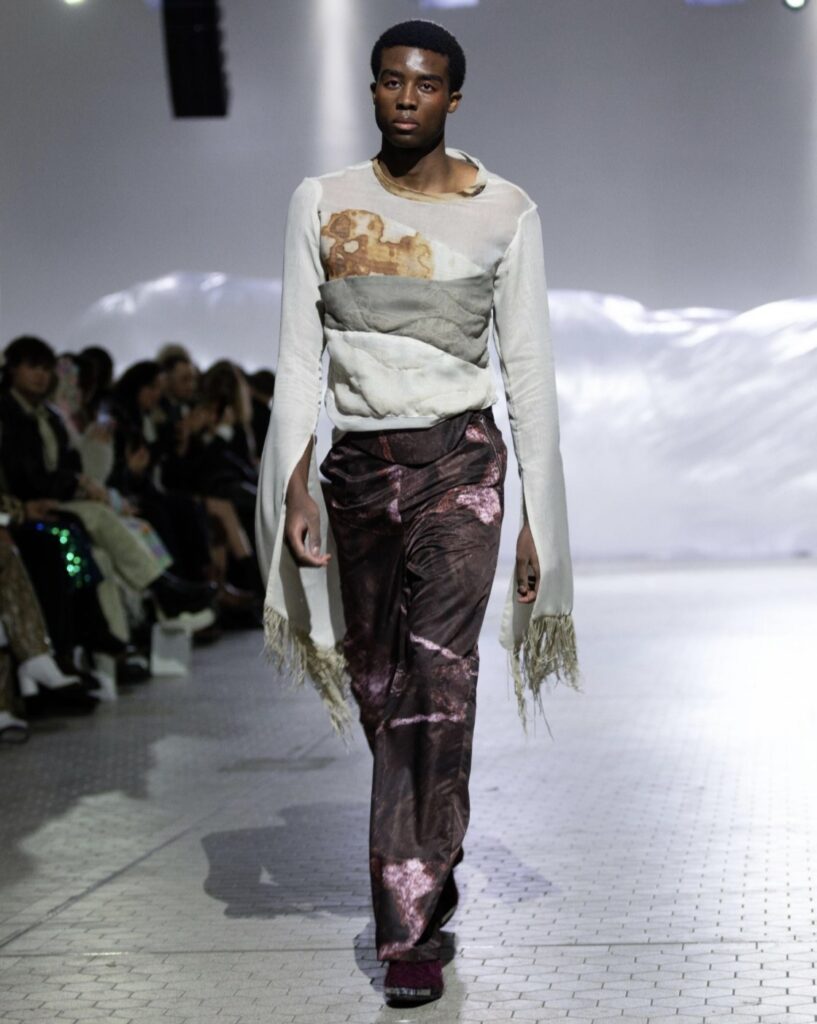
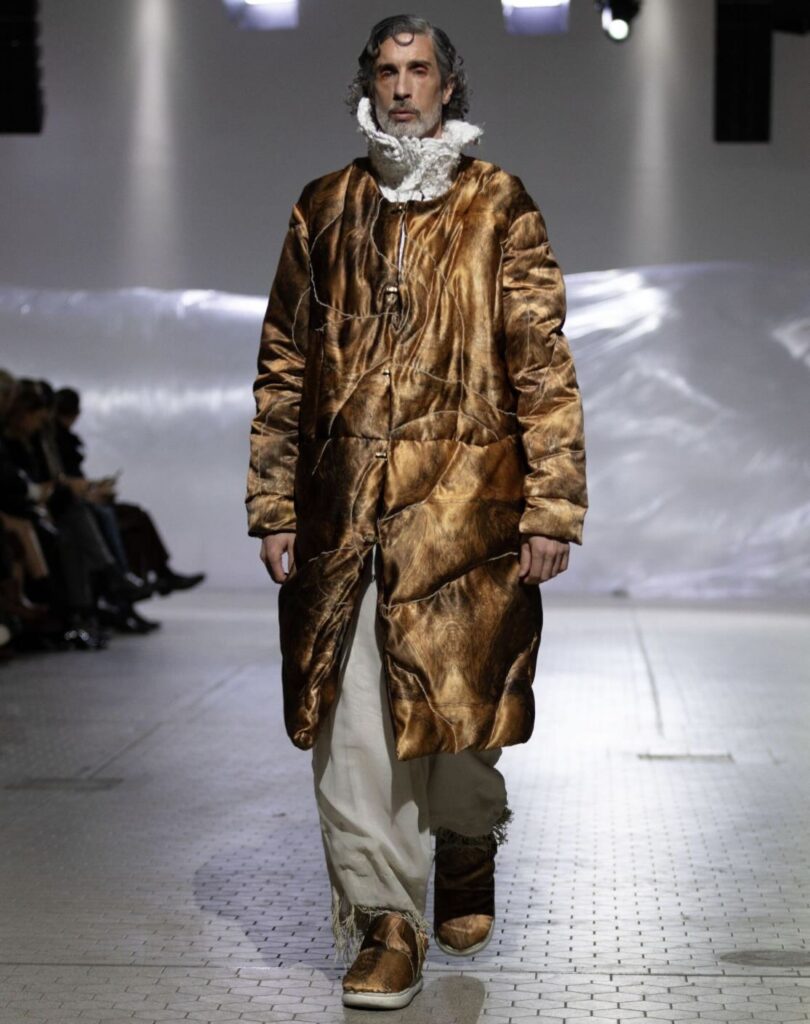
With the recent collection Permission ≠ Slip, IMPARI presented a visual rebellion against the system of constant approval. We saw sculptural constructions, dynamic forms, and – as anticipated – a mix of different textures that created a carefully curated chaos. It felt like the clothes had a life not only in relation to the body, but also of their own: overlapping, moving, and shifting, all while still relying on strong silhouettes. It’s a rebellion as IMPARI sees it – not the stone-throwing kind, but one rooted in confidently rewriting the rules.
Photography: Shin Jeong Hoon

