

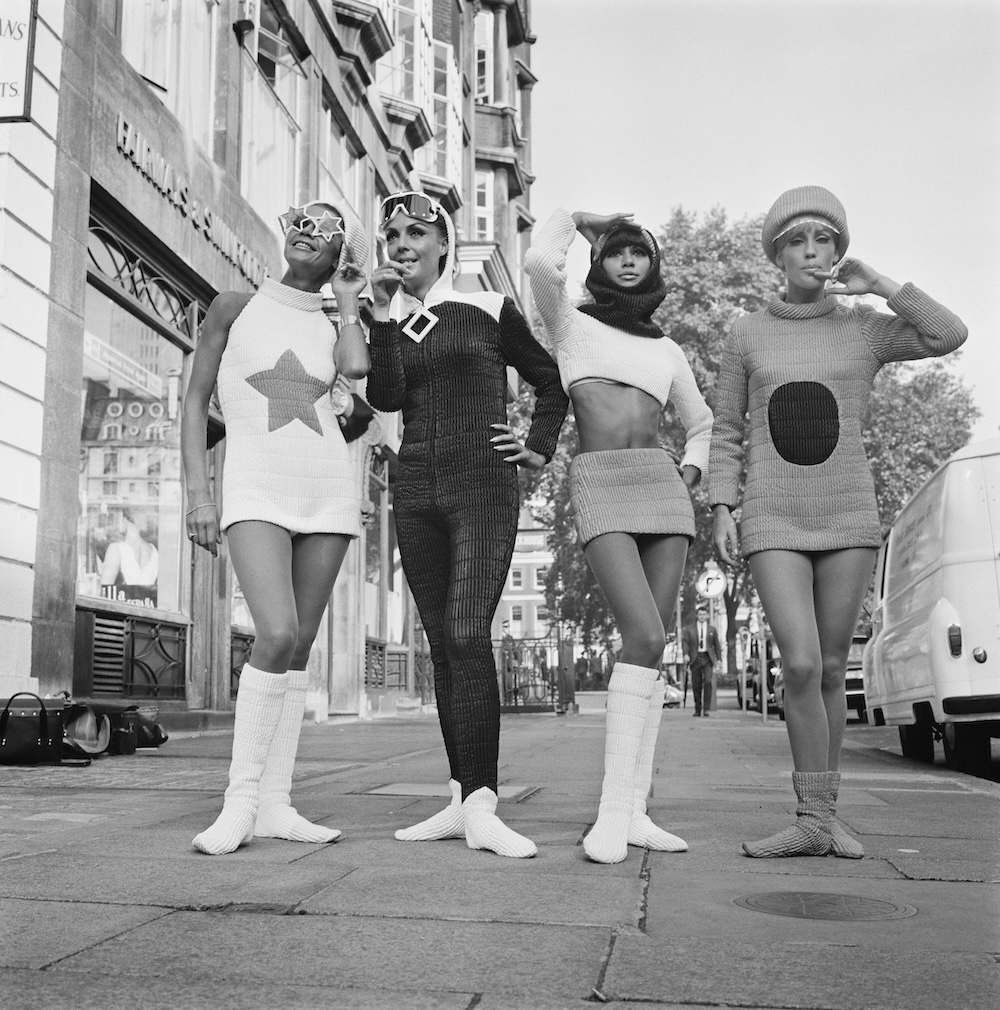
What getting dressed can teach us about endurance, agency, and being seen.
I’ve been thinking a lot about how what we wear follows us and carries memory, even when we forget to. Maybe it’s the endless churn of fear and fatigue in the news again, and the feeling that everything is slightly burning?
Some mornings the world feels too loud to meet head-on, and yet we still have to get dressed. To be a woman right now is to live inside that contradiction — exhausted by the weight of it all, but still expected to show up, look composed, and care.
I used to think fashion was too fragile for times like these, too shallow to hold real meaning. But lately I’ve started to see it differently. Getting dressed is how I practice attention; it is how I tether myself to something tangible while the headlines keep unraveling.
Style becomes survival, a ritual that asks me to keep noticing beauty when it would be easier to stop.
Maybe that’s what fashion has always done best: tether us to hope, even when the world burns.
These thoughts prompted me to research the women who wore clothes that learned to speak before they were allowed to.
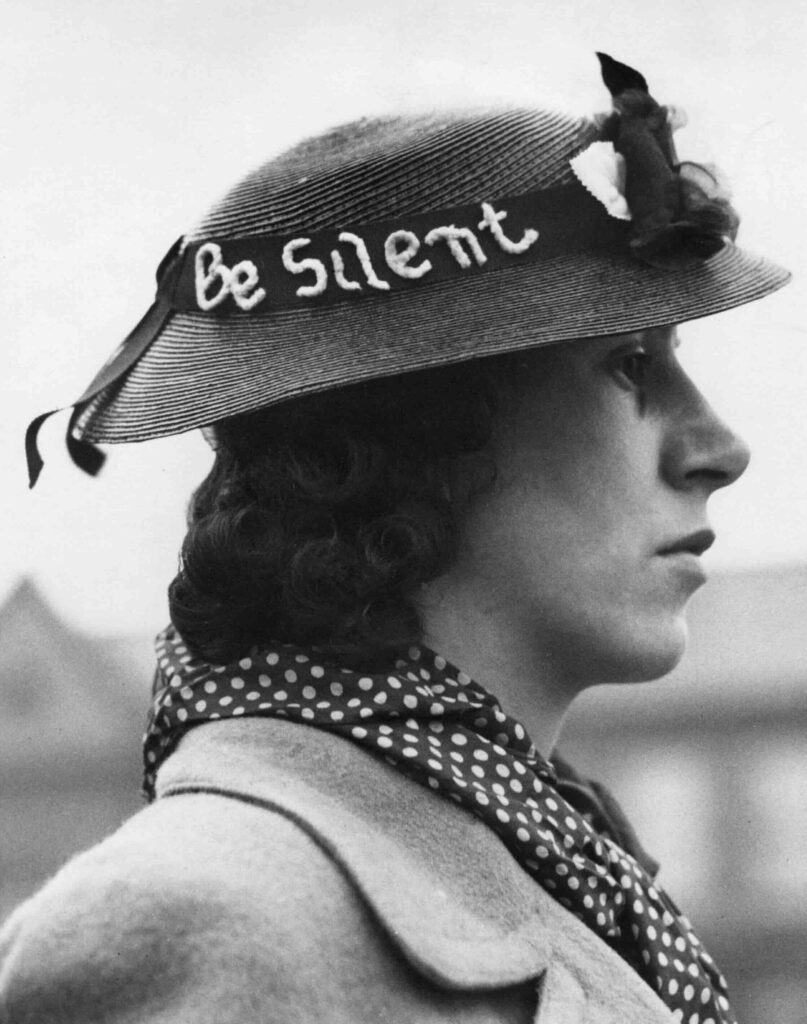
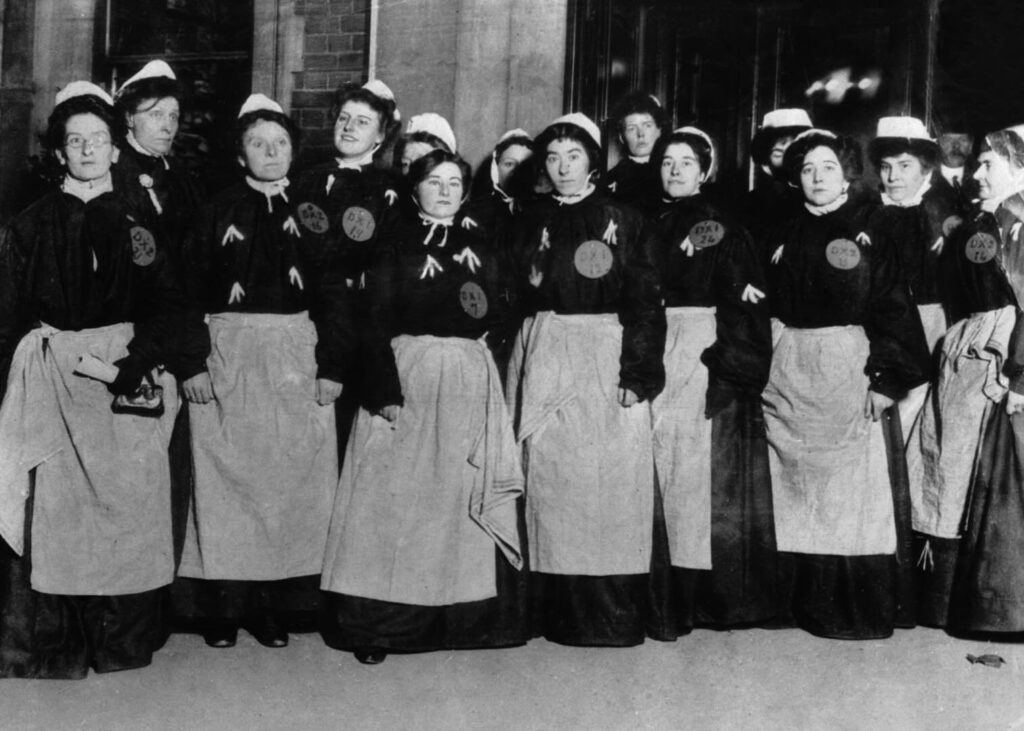
In the forties, when women were not allowed to vote, dress became a point of contention.
White dresses, paired with purple and green, became a deliberate vocabulary. The corsets and restrictive silhouettes of the nineteenth century were still in use, but at marches and parades, women adopted something simpler, more unified. The shared white became a uniform of seriousness and solidarity — proof that they were present and that their presence counted.
Modern Style Translation: A white button-down paired with a purple scarf, or green bag—worn to vote, attend a campus forum, or walk into a meeting where you know you’ll be dismissed.
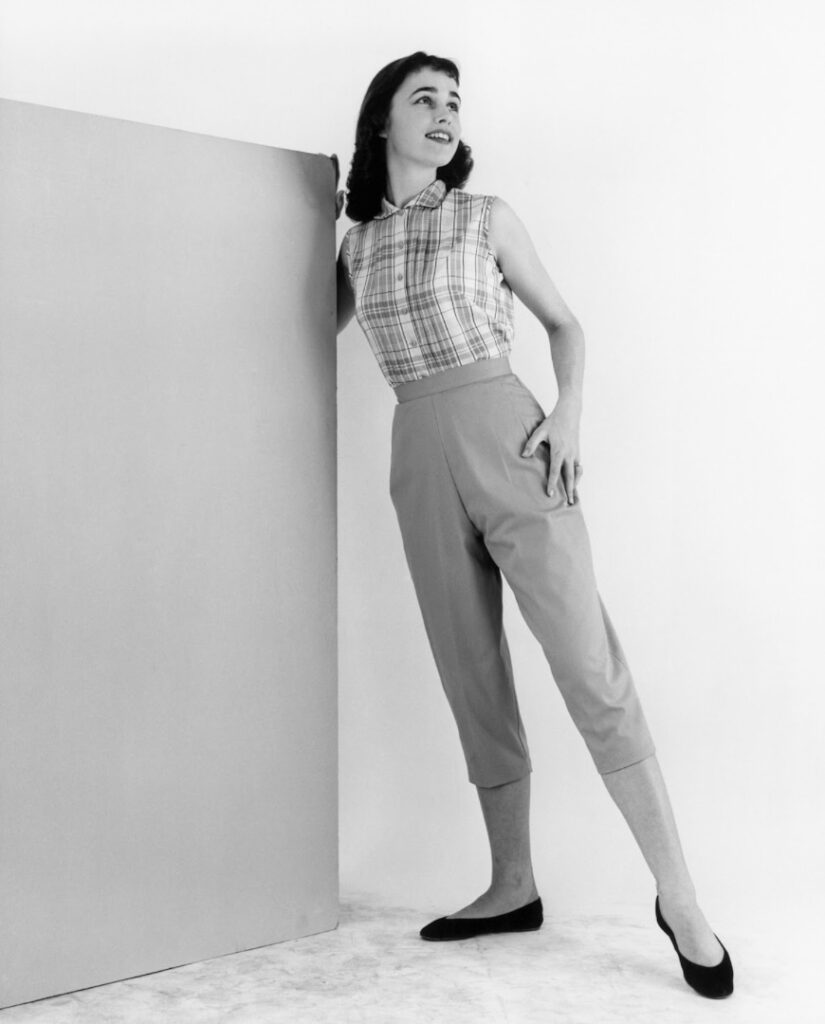
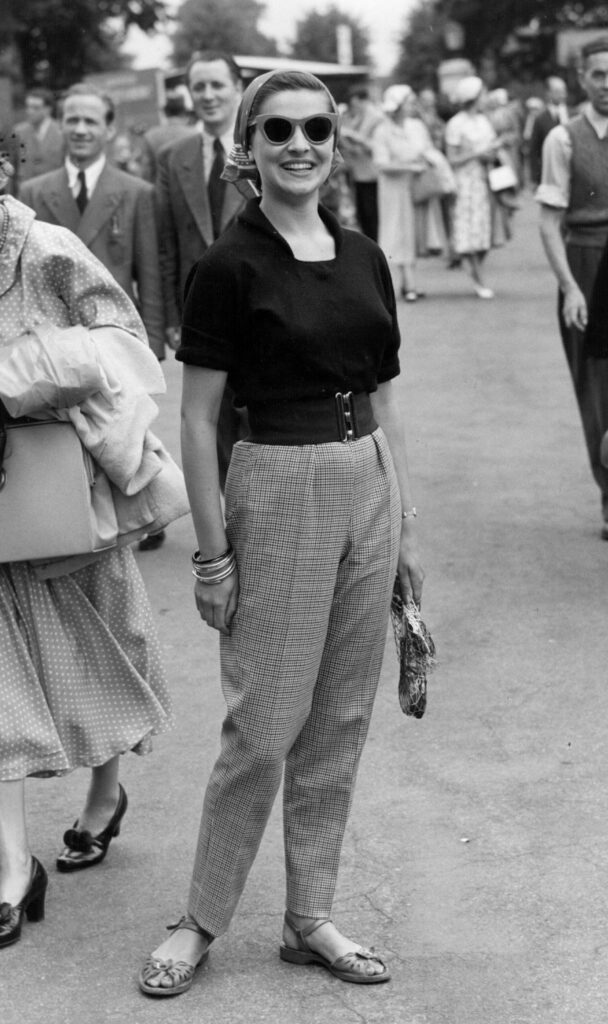
In the fifties, the war redefined what women wore and what they could do. Trousers, practical shoes, shorter hems — they were not just fashions but statements.
Coco Chanel had already introduced pants for women, but when factory work and office service demanded movement, the look became more urgent. Clothes that moved became clothes that mattered. This era taught us that ease is power and that the form of our dress reflects the form of our agency.
Modern Style Translation: A “movement uniform”: straight-leg trousers or work pants, sneakers, hair clipped back, hands free—worn on purpose for a day you have to do things (interviews, canvassing, traveling alone, night class).
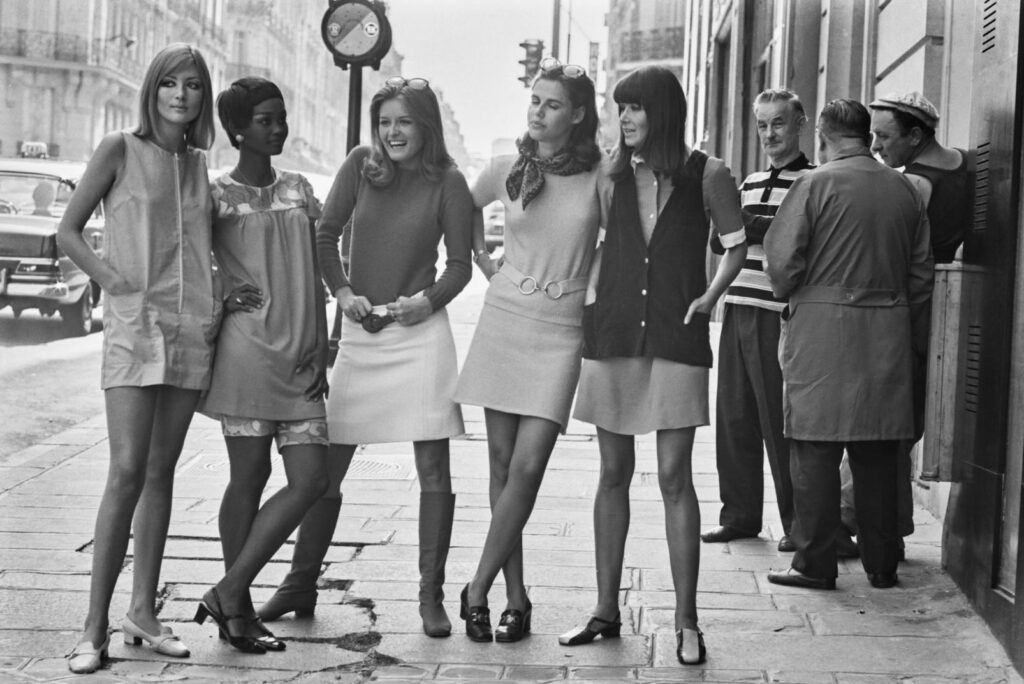
The sixties were marked by impatience with the status quo. The mini skirt told stories about liberation and realism.
Hemlines rose not because vanity won but because freedom asked for visibility. Simultaneously, anti-war protests, civil rights marches, tees and fringe, and bold prints flooded the streets. The young generation wove identity into outfits. The clothes were messy and visible, and less about polish than presence.
Modern Style Translation: One “visible” piece: a short hem, a bold graphic tee, a loud print, a bright eyeliner—paired with something simple. Worn on a day you refuse to shrink: a presentation, a date, a family gathering where you’re expected to be “easy,” a night out after a hard news cycle.
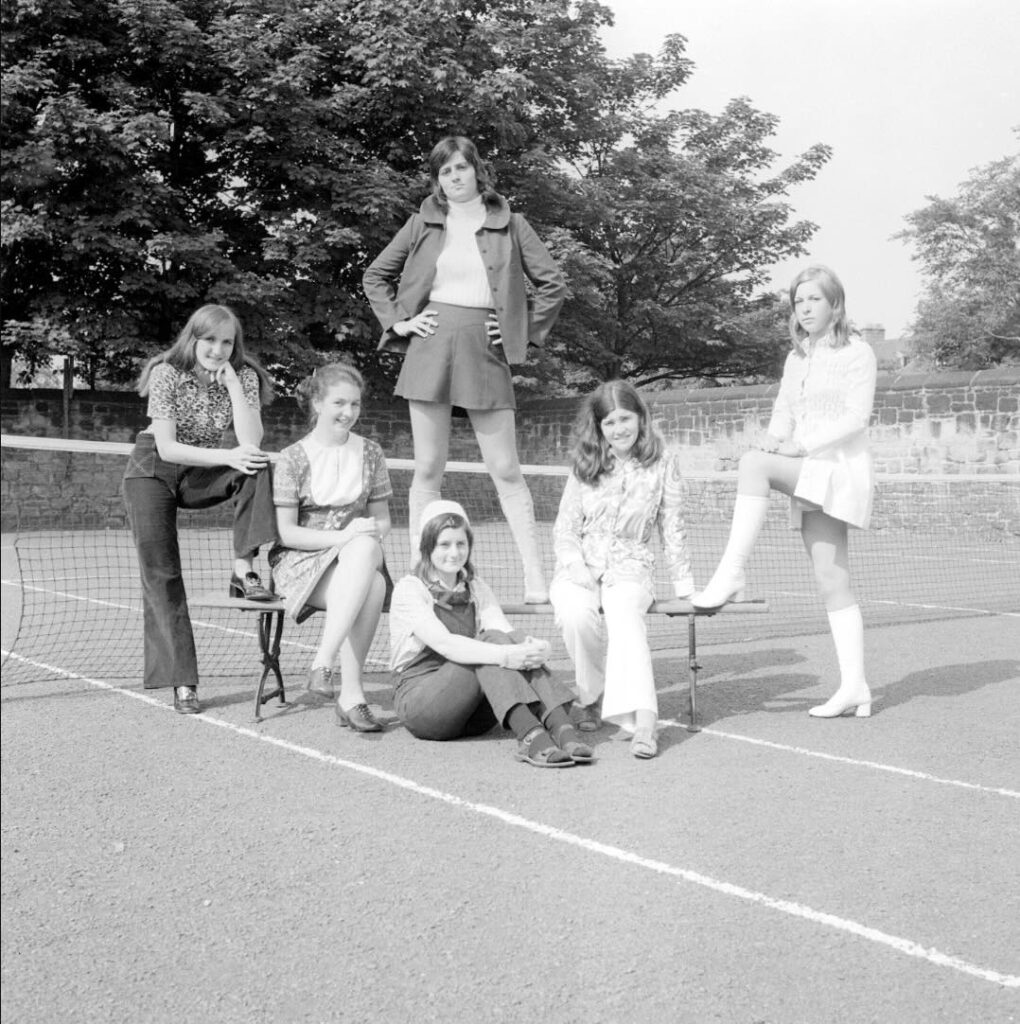
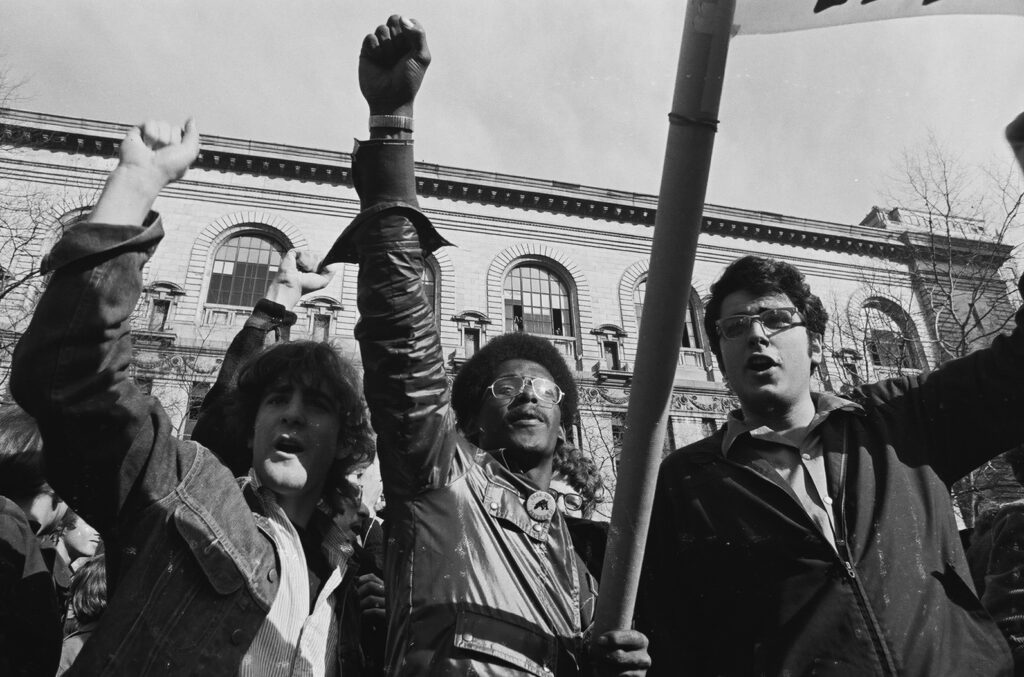
The seventies sharpened the message. Black armbands, the berets of the Black Panthers, bell-bottoms, slogan shirts—dress became code.
Clothes created community and declared belonging. The visual emerged as an argument: to wear the same color, the same patch, the same style was to declare allegiance without words. Fashion became a collective language for dissent.
Modern Style Translation: A “code accessory” that finds your people: a union pin, a pronoun pin, an abortion-access pin, a solidarity ribbon, a mutual aid tote, a patch on a jacket. Something small enough for daily life but specific enough to be recognized.
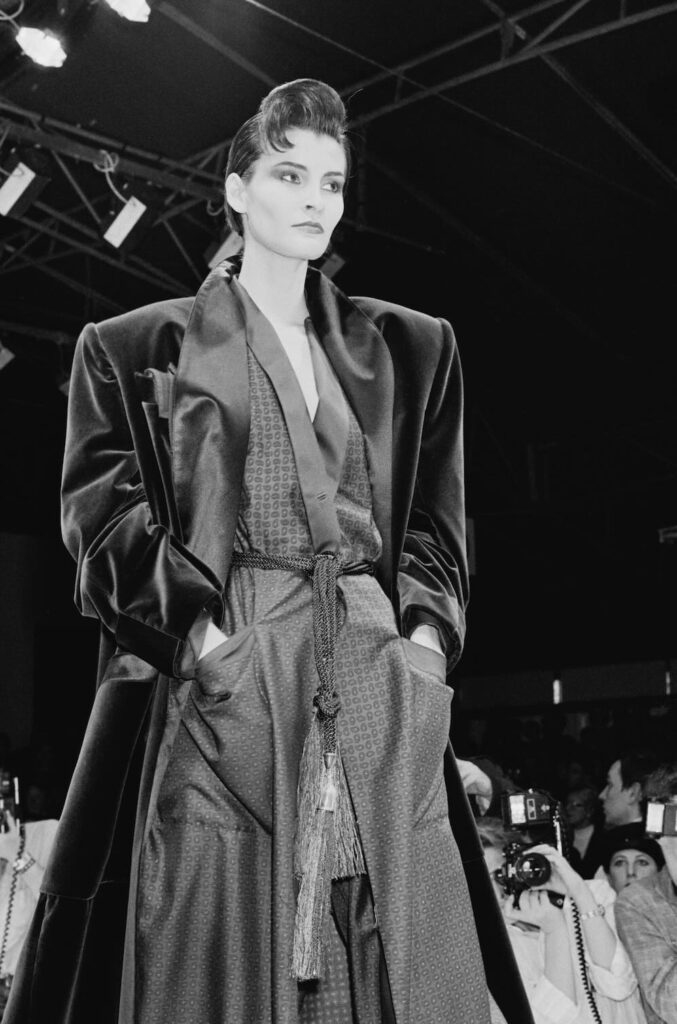
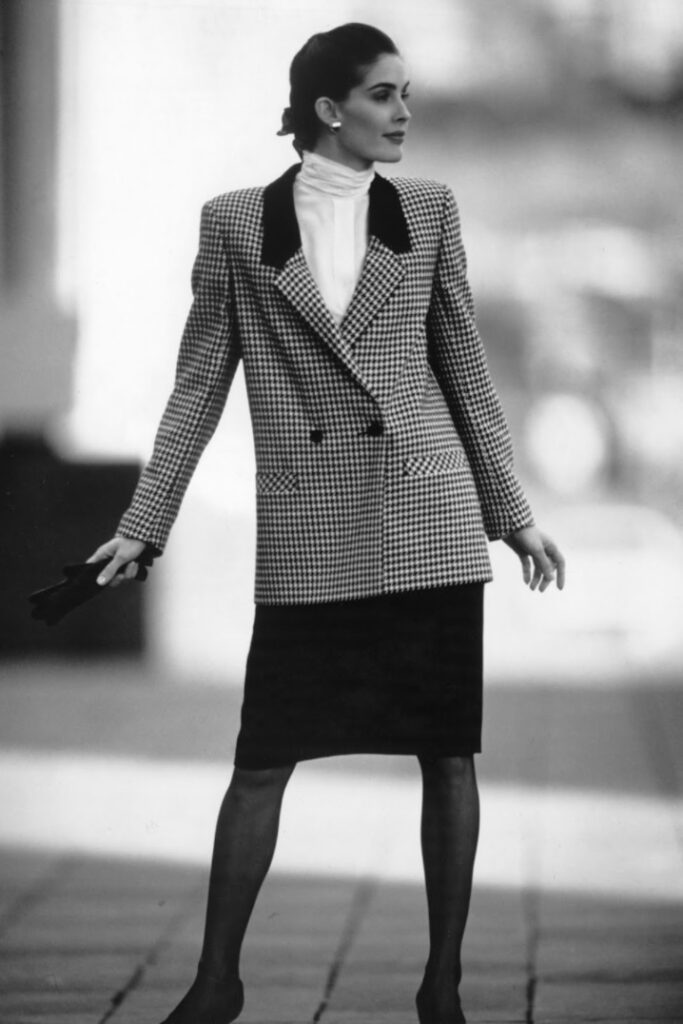
The eighties turned ambition into a silhouette. Shoulder pads, tailored blazers, and bold colors walked into boardrooms and onto campaign stages, translating feminism into fabric. Dressing for success wasn’t vanity — it was survival.
For women stepping into rooms that weren’t built for them, the power suit became both armor and announcement. It said, “I belong here, even if you haven’t caught up yet.” Style became strategy, proving that visibility itself could be a form of leverage.
Modern Style Translation: The modern power suit moment: an oversized blazer, sharp trousers, a structured coat, a strong boot—worn to a job interview, a salary negotiation, a meeting where you’re the youngest woman in the room, or a day you need your body to feel like a boundary.
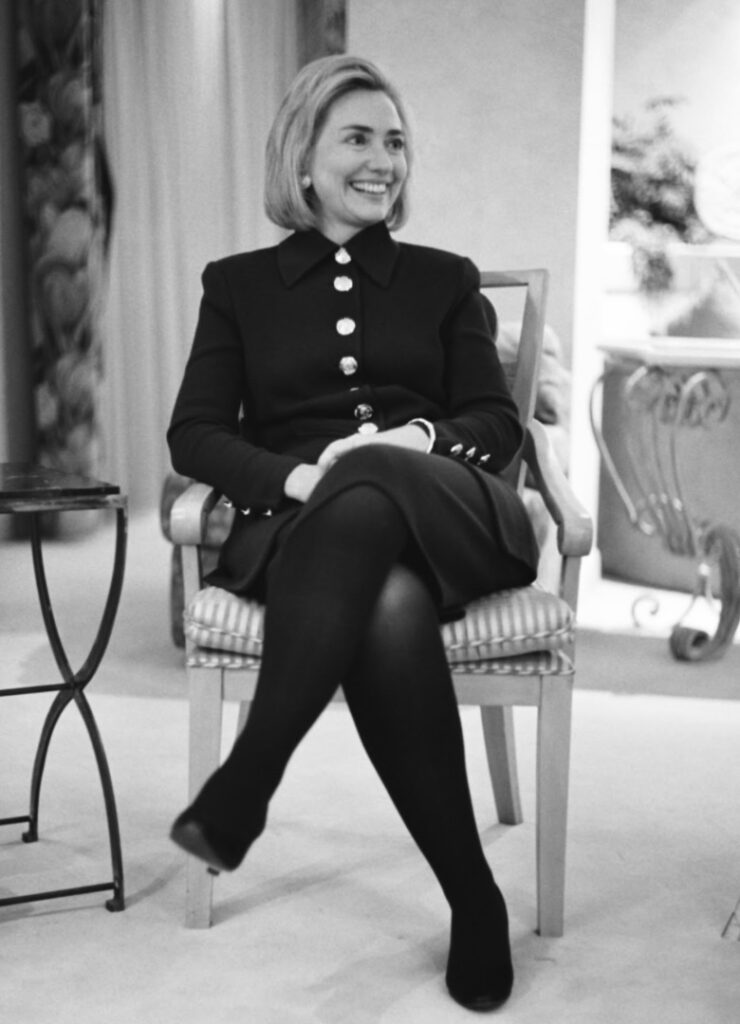
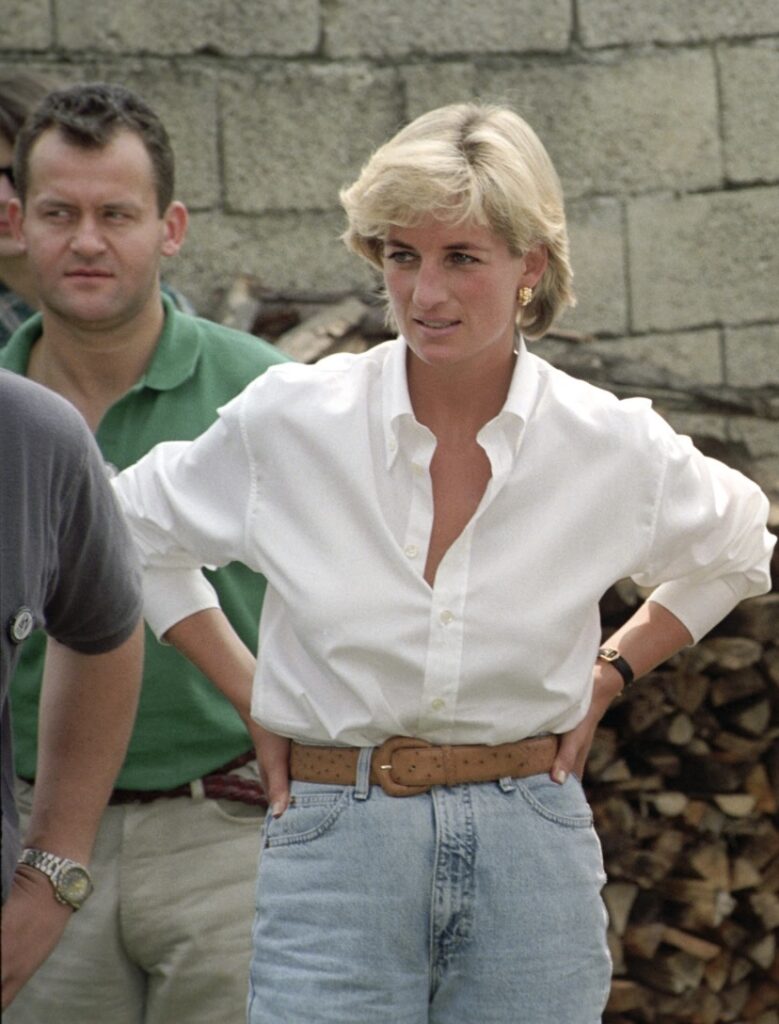
After the saturation of the eighties, the nineties pared things back. Clean lines, muted palettes, and effortless tailoring reflected a different kind of rebellion—one that refused to perform excess.
Figures like Princess Diana and Hillary Clinton used simplicity to communicate control and authenticity. When Diana walked through minefields in a plain blue Oxford shirt and khakis, she redefined power as empathy.
Fashion in the nineties stopped shouting and started listening. It became a quieter kind of statement, one rooted in purpose rather than spectacle.
Modern Style Translation: “Purpose dressing”: a plain tee, crisp Oxford, straight jeans, clean sneakers—nothing fussy—worn when the focus needs to be on the work (volunteering, reporting, caregiving, a serious conversation).
The 2010s didn’t invent political fashion, but they changed how fast it could travel. Activism moved from streets to screens and back again, and clothing became the bridge.
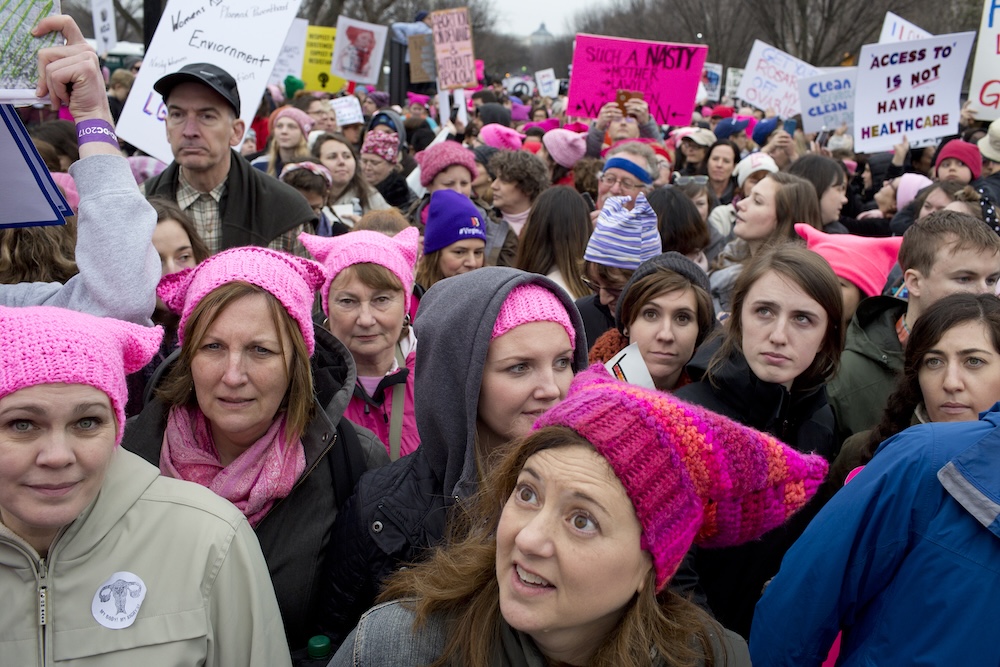
In January 2017, the Women’s March filled cities with handmade signs and pink knitted hats—an unofficial uniform that turned craft into collective visibility.
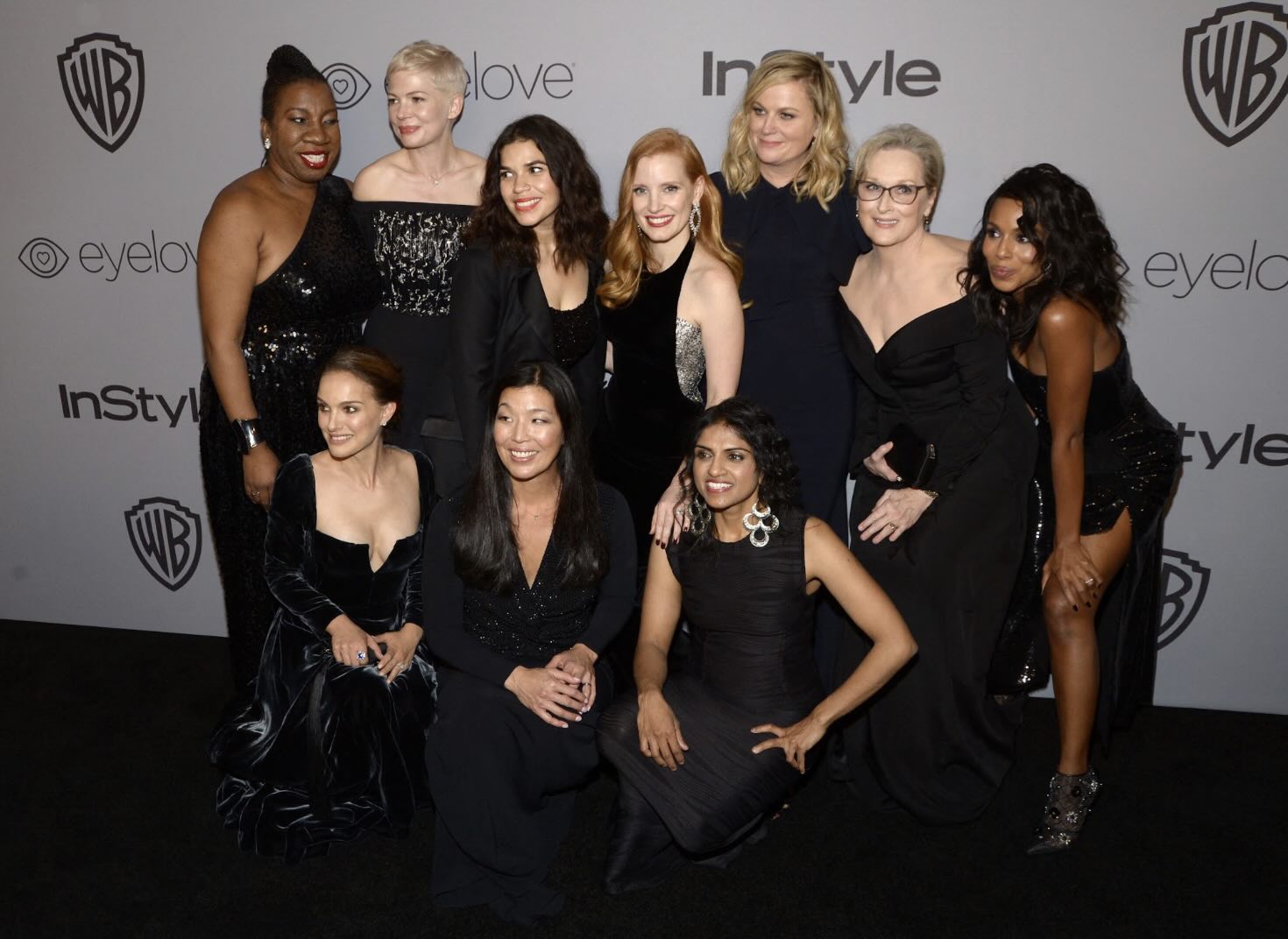
Later that year, #MeToo spread as women named harassment and abuse publicly, showing how testimony—repeated at scale—can become pressure. Fashion answered in its own language: black outfits at the 2018 Golden Globes, coordinated to spotlight misconduct and workplace equity.
By 2018, a record number of women were elected to Congress. In the years that followed, some wore white at high-profile moments—an intentional nod to suffrage-era symbolism, a reminder that the fight has a history. The decade’s style wasn’t just pop-feminist “girl power.” It was the constant balance of being seen, staying safe, and standing together.
Now, when everything feels like smoke, I keep thinking of those seams—tiny, stubborn proof that something can be held together on purpose. Maybe dressing while the world burns isn’t denial; it’s endurance. Because being seen isn’t always loud.
And if you’re reading this with that specific ache—I just want to be seen, heard, counted—here’s the thing: style can be a signal flare or a quiet vow. Both matter.
A guide for getting dressed when you feel powerless:
- Wear the sentence: If you want to be unmistakable, let your outfit do the talking so you don’t have to.
- Protest tees + pins: “VOTE,” “My Body My Choice,” “Protect Trans Kids,” “Black Lives Matter,” “Stop Asian Hate,” “Ceasefire Now,” “Science Is Real.” These are blunt on purpose: they bring your internal values into the light.
- The accessory-as-declaration: safety pins, abortion-access pins, pronoun pins, keffiyehs, flag patches, mutual aid tote bags, union buttons. Small, but still legible to the people who need to find their people.
- Color as code: white for suffrage lineage; green/purple/white as historic feminist color language; black for mourning + solidarity; red as urgency; rainbow palettes as visibility.
- Make “quiet choices” that still count: Not everyone wants to broadcast a slogan. Sometimes you’re tired. Sometimes it’s unsafe. Sometimes your politics are private, but your ethics aren’t.
- Secondhand first: thrift, resale, swapping with friends. Circular fashion is a vote against the churn that treats bodies and labor as disposable.
- Repair > replace: visible mending, tailoring, re-soling. Keeping something alive is its own kind of protest in a culture built on discard.
- Support the makers near you: local designers, small studios, campus/artist markets, Etsy shops with transparent production. You’re putting money into people, not systems.
- Buy from brands that practice what they preach: women-owned, ethically-made, fairly paid, size-inclusive, transparently sourced. (Not perfect saints—just companies that can explain their supply chain process.)
- Dress like you’re honoring someone who came before you
- Cultural representation: textiles, jewelry, headwraps, heirlooms, silhouettes tied to your heritage—worn intentionally, not as a trend. It’s affirmation and defiance at once: I am not an aesthetic. I’m a history.
- Heirlooms: a piece from your mom, your grandmother, your aunt, your friend. Wearing a memory is a way of saying you didn’t get here alone.
- The “I refuse to disappear” uniform: a signature item you repeat (a red lip, a silk scarf, a ring stack). Repetition is stabilizing when the world isn’t.
- Get dressed like you’re going to participate, not perform: Sometimes “being seen” is less about aesthetics and more about action you can live with.
- Wear the tee and know where your local election info is.
- Carry the tote and drop $5 into mutual aid when you can.
- Buy less and give your old clothes a second life.
Choosing color, comfort, or structure becomes a small rebellion against numbness, a reminder that softness can survive hard times.
Fashion doesn’t save the world, but it insists on showing up for it. And maybe that is enough: wake up, notice, pull on something that lets you feel like yourself, then go out and take part. At its best, style is not perfection but participation. It is how we remember we are still here—still paying attention, still trying—still making something beautiful out of the ashes.
All images via Getty Images

