


For most of her adult life, Amy Scott Rooker had a voice that worked very well in courtrooms and boardrooms. She knew how to argue a case, navigate corporate hierarchies, and make herself credible in rooms that were rarely built with women like her in mind.
What she didn’t have, for most of those years, was a voice that belonged to her. Not the attorney. Not the executive. Her. What few people knew was that the most important story of her life remained unspoken.
That silence began when Rooker was fourteen years old.
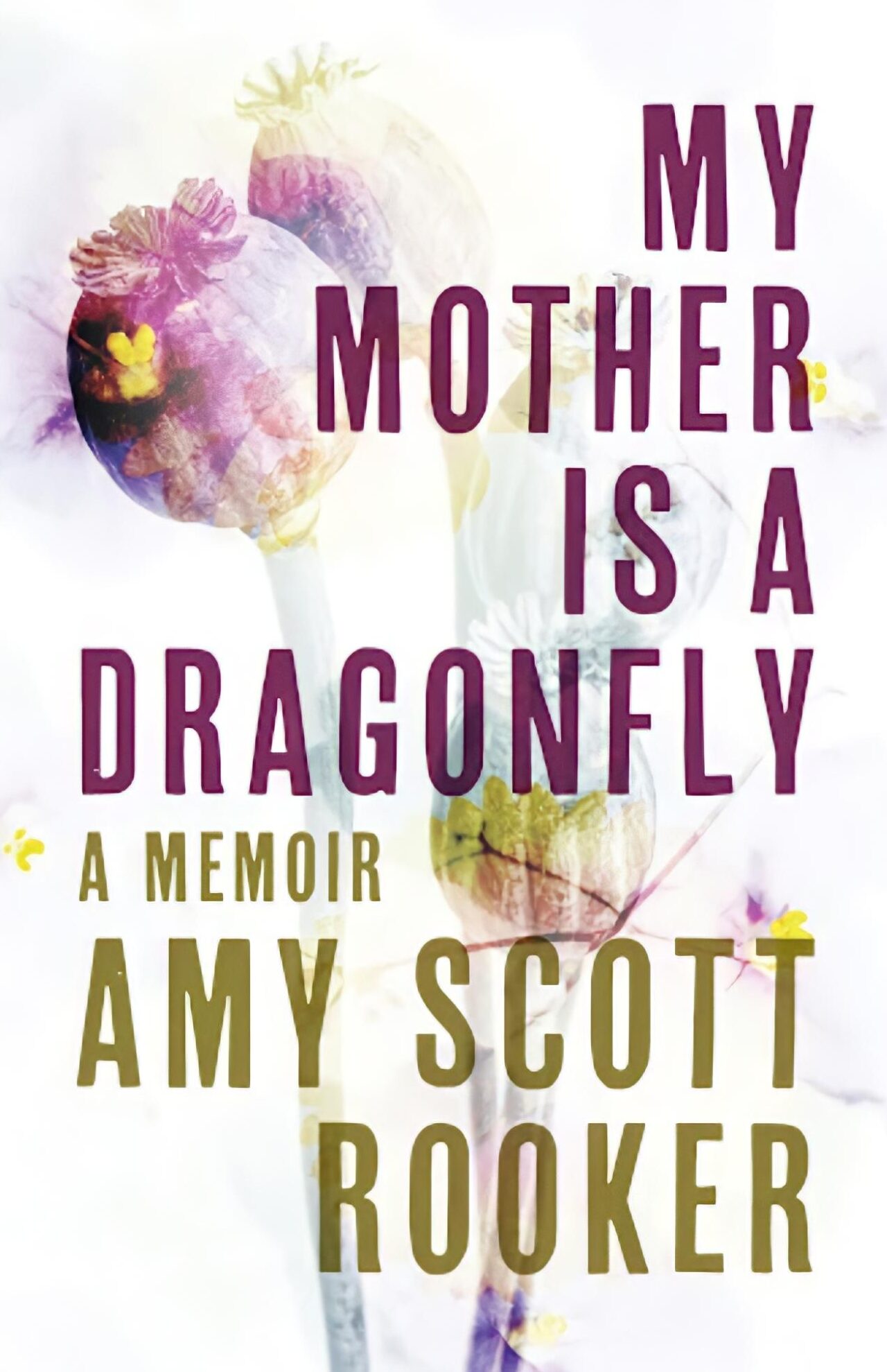
In her debut memoir, My Mother Is a Dragonfly, Rooker recounts childhood sexual abuse that fractured her sense of self and set in motion a decades-long pattern of silence and survival. After the abuse, she ran to tell her mother, but was met with a harsh response, and the event was never meaningfully addressed within her family. The absence of acknowledgment left her carrying both the experience and the shame that followed.
“After that, I told myself no one could ever know,” she writes. “It was mine alone to carry.”
That decision—formed in adolescence—quietly shaped the structure of her adult life.
The Cost of Silence
Outwardly, Rooker’s life looked impressive. She excelled academically, earned a law degree and an MBA, and built a successful career in corporate law and technology.
“One version of me kept going,” she writes. “The other stayed behind.”
Rooker has described this period of her life as being split in two: the high-achieving woman the world rewarded, and the wounded girl carrying the original story underneath. The outward self was capable, accomplished, and composed. The hidden self carried the unresolved aftermath of trauma—shame, anger, and grief that had never been spoken aloud.
For years, achievement functioned as both propulsion and camouflage. Professional success offered distance from what she felt but could not name. Control showed up in other ways as well: disordered eating, drinking, and relentless overperformance.
From the outside, her life appeared enviable. From the inside, something essential remained unresolved.
The Catalyst
The turning point came after the death of Rooker’s mother.
Their relationship had stabilized in adulthood, but largely by avoiding the past. When her mother died, that fragile equilibrium collapsed. The possibility of repair—of apology, acknowledgment, or clarity—closed permanently.
Grief forced a confrontation with the story that had remained buried for decades. Grief, as Rooker discovered, has no interest in the organized life you’ve built around keeping it out. It finds the cracks.
During the same period, Rooker began noticing dragonflies appearing in moments that felt strangely precise—small encounters that eventually became the central symbol of her memoir. For her, the dragonfly came to represent her mother’s support from beyond the veil—and later, transformation: the movement from what is submerged toward what becomes visible.
The deeper shift, however, was what happened to Rooker internally.
A Doorway to Healing
Part of Rooker’s healing process involved psychedelic therapy, specifically guided psilocybin experiences (the psychoactive compound found in “magic mushrooms”). She writes about these experiences with careful restraint, describing them not as solutions but as catalysts that allowed her to access grief and compassion she had long kept at a distance.
In one pivotal journey with a shaman, she revisited the moment of her teenage trauma and heard words she had never been able to say to herself: This was not your fault.
That realization did not erase the past. But it began to loosen the shame that had attached itself to the experience. The narrative she had lived inside for decades began to change.
As her healing journey deepened, Rooker stepped away from the career she had built for more than two decades and began the slower, harder work of figuring out who she actually was underneath it all.

Reclaiming Her Voice
The most profound shift, however, came through writing.
Long before her legal career, writing had been Rooker’s first love. As a child, she invented stories; as a teenager she filled journals with poems about feelings she could not express out loud. Words were the one place she felt safe.
Eventually, she stopped. Fear of being seen—and fear of what telling the truth might reveal—silenced that part of her life for years.
After her healing work began, writing returned gradually. Journaling led to poetry. Poetry led to a deeper realization: the most powerful constraint she had lived inside was silence itself.
“At fourteen, I decided no one could ever know,” Rooker says. “Writing the memoir was the moment I decided the opposite.”
Freedom Through Truth
As she wrote My Mother Is a Dragonfly, another realization emerged.
The shame she had carried for decades did not originate with her. It had entered her life through someone else’s actions and remained only because silence allowed it to.
Naming the story changed that. Writing the memoir became more than an act of reflection. It was a reclamation—of voice, of authorship, and ultimately of the life she had once believed was permanently defined by what happened to her.
Acceptance replaced resistance. Surrender replaced secrecy. And in that shift, Rooker found something she had not expected to claim: freedom.
My Mother Is a Dragonfly is the memoir of a woman who lost her voice early, came to understand exactly why, and found her way back to it through grief and surrender and the kind of honesty that costs something. For any woman standing at a similar crossroads, wondering whether the impressive life she has built is truly her own, it may be exactly the book she has been looking for.

