

Now more than ever, there needs to be a structural change in how humanity lives. Filmmakers John Wolfstone, Ian Mackenzie, and Julia Maryanska have brought this to center stage. Their documentary “The Village of Lovers” intimately explores a radical community project based on trust, transparency, love, and sustainability with a mission to ignite a cultural movement—this is their love letter to a better world, more compassionate, and equitable world.
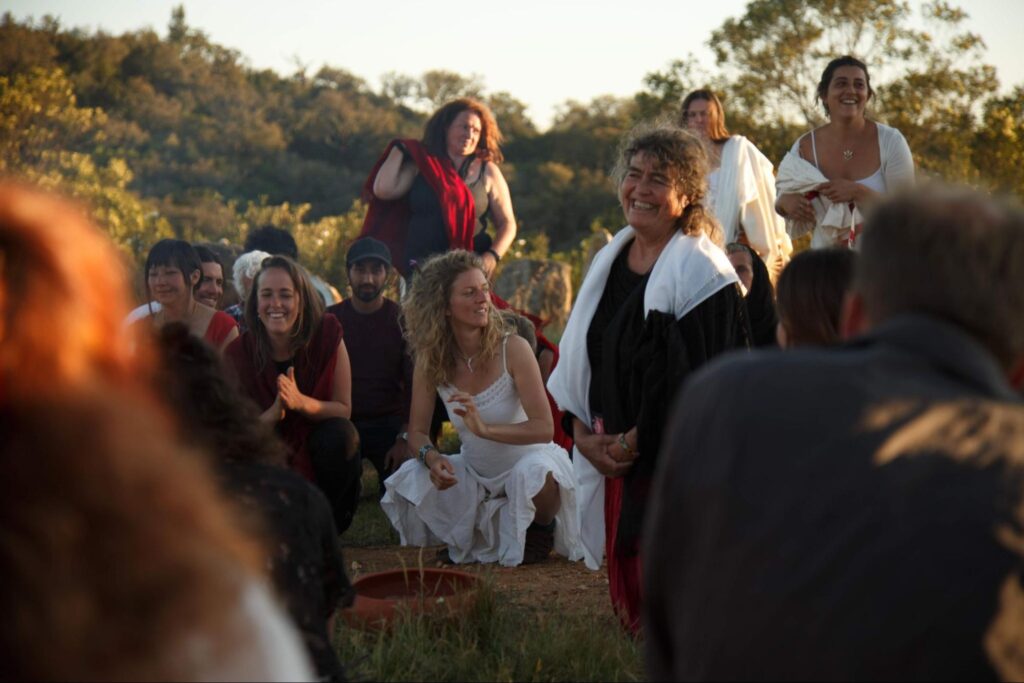
How different would the world be if humanity shifted to a communitarian way of living? Would there be less anger, less greed, less jealousy, and instead, more peace, more love, and more compassion? Today’s world is tainted by globalized capitalism, systemic patriarchy, political unrest, and war — we live in very uncertain times, which begs the question, where can we go to “seek shelter”? Where can we rediscover the power of connection, mutual care, honouring the feminine, and equality?
What if I told you there’s a place that has transformed this question into a tangible reality?
For the past ten years, filmmakers John Wolfstone, Ian Mackenzie, and Julia Maryanska (co-founders of RE/CULTURE FILMS) have devoted their lives to capturing the answer humanity has been searching for. The newly released documentary, The Village of Lovers, is sharing with the world “a radical intentional community 40 years in the making, whose research may provide keys to humanity’s survival,” the website states. This community is Tamera. The eco-village, located in Portugal, originally began as a project that came out of post-World War II Germany as a response to the next generation of Germans in the aftermath of the Holocaust, with an approach to build an alternative culture founded on “the liberation of eros” (which Tamera believes eros is the vital force of life itself) and a commitment to “love free of fear.”
After countless trips to Tamera, hundreds of hours of footage, fundraising events, and working diligently to capture the very essence of the community’s message, the trio was ready to share the feature documentary with the world.
“This is a film born out of our souls and guided by life,” says Co-Director, producer, and cinematographer John Wolfstone. “What makes Tamera so interesting and why they’re so important is that there were so many communes that started in the 60s and 70s. But almost every one of those projects failed. Yet, Tamera figured it out. They found a way to survive and thrive and unlocked the keys to why human beings are at war with each other and themselves.”
The key? Healing the shadows of humanity, including those created by rigid gender norms and power imbalances, and prioritizing trust.
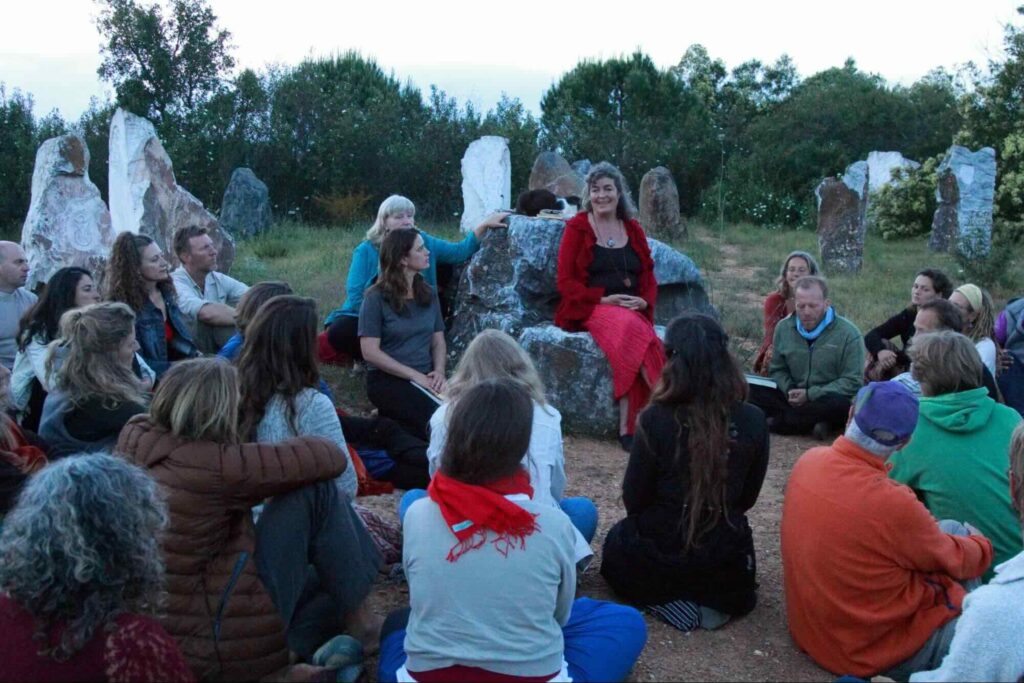
“The reason most villages fail, most partnerships fail, and most things fail when humans come together to do something is due to the core shadow areas of sex, money, and power. And because we feel so much shame and there’s so much shadow, which is repressed psychological and psycho-emotional content, it comes out sideways causing friction and eventually fighting,” Wolfstone explains. “Tamera figured out how to bring these repressed feelings to the center, transparently deal with it as a community, and create a huge field of trust in that process. They call themselves a ‘greenhouse of trust.’”
One way to achieve this is through the social technology of Forum, a vital component of Tamera, which involves the community coming together in small forum groups and sitting in a big circle to create a safe, sacred space. One by one, each person steps in and shares their most vulnerable truths. Rather than being shamed for it, they are applauded for their vulnerability and honesty, creating a feedback loop to encourage honesty and personal growth.
“Tamera is a model for what living in a true community looks like. It’s not about hiding from conflict or challenge but centring them as a way to deepen intimacy and trust. Every challenge you can imagine—love, leadership, money—they’ve faced it and worked through it together,” Julia Maryanska, one of the co-directors, says. The echo-village also recognizes that healing the wounds of patriarchy is integral to building trust, transparency, and authentic connection.
But Tamera’s vision reaches deeper bounds. It extends beyond their personal happiness, and rather than focusing on creating their own utopia, they see themselves as part of a global shift.
“They’re working in places like Sao Paulo, Israel-Palestine, and Kenya—they have all these sister projects because they see those crisis areas as acupuncture points on the planet— and if they can support creating peace there, it can ripple out globally,” shares Wolfstone. Ultimately, Tamera realized that a vision beyond personal happiness or transactional expectations is essential to any partnership. “It has to be about something deeper. And that’s what can carry humanity through all the storms,” Wolfstone emphasizes.
At its core, the film shares the story of Tamera and the solutions to humanity it discovered as a community:
- Trust and transparency are the foundation of all relationships.
- The liberation of eros, free of shame and repression and dismantling of the taboos around female sexuality
- Healing the core shadows of patriarchy, including the intersections of love, sex, money, and power.
All of these aspects that The Village of Lovers bring forth converge, showcasing the necessity for human beings to live more communally, especially as the world reaches a breaking point with overconsumption. There needs to be a structural change in how society lives because the “loss of village is the underlying trauma humanity is dealing with.” It has led to all these pressure points and societal fractures, and the only way we can solve these issues is by creating communities that honour both the feminine and masculine as equal forces to pave the way for trust, transparency, love, and sustainability.
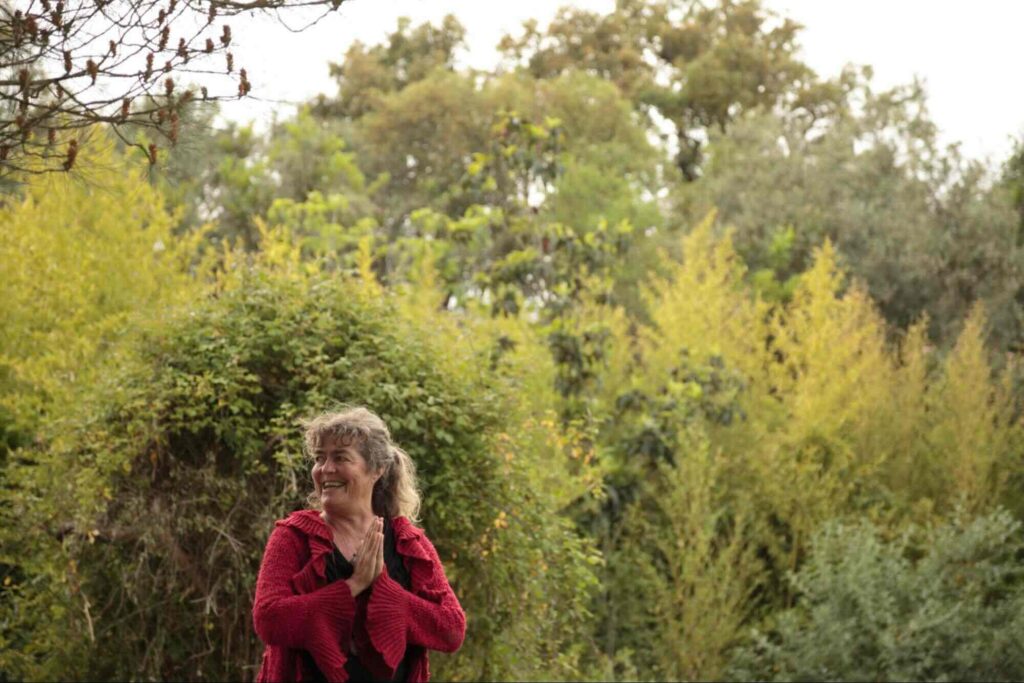
Tamera is a blueprint for a new way of living.
“This isn’t about saying, ‘Everyone should live like Tamera.’ It’s about offering a vision of what’s possible and inspiring people—especially women and marginalized voices—to create their own models of community and trust wherever they are,” Wolfstone concludes.
To continue the conversation of creating communities rooted in trust, transparency, love, and sustainability, watch The Village of Lovers documentary and join the upcoming 5-day Summit Fugitive Futures, bringing together radical thought-leaders of regenerative culture from January 29th – February 2nd, 2025.

